English
  中文简体
中文简体 Español
 Deutsch
 русский
 عربى
عربىPlumping anti wrinkle patches have become a familiar item in everyday skincare routines. They are often seen as a simple add-on rather than a full treatment step. Even so, their role is becoming more noticeable as people look for quick, visible changes in skin texture.
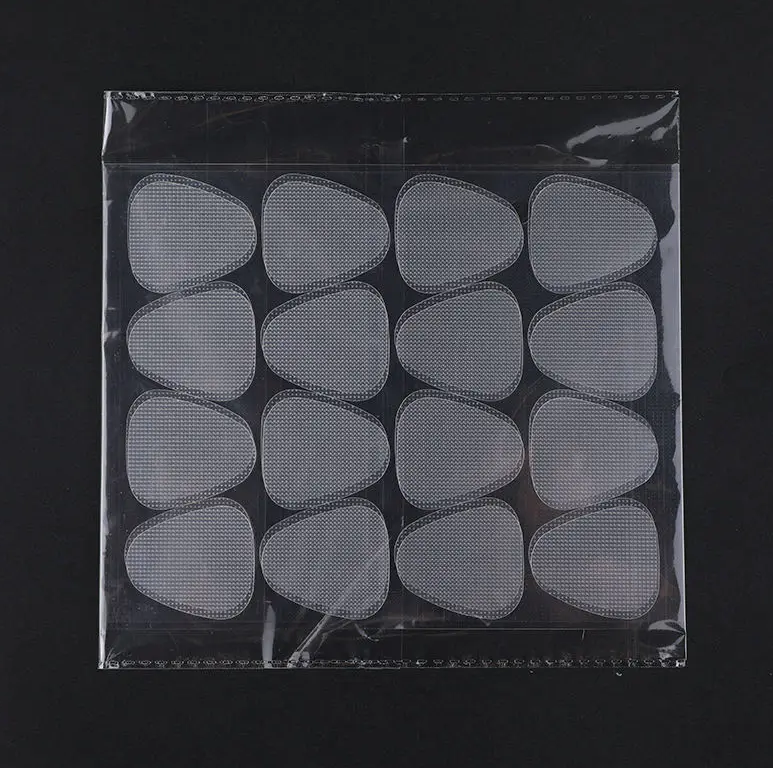
These patches are designed to sit directly on the skin for a period of time. During that time, they create a focused environment over a specific area. This environment helps the skin hold moisture and appear smoother on the surface.
In practice, they are used on areas where fine lines are more visible, such as around the eyes, forehead, or mouth. The goal is not to change the skin permanently in a short time, but to improve how it looks and feels in a controlled and temporary way.
What Exactly Are Plumping Anti Wrinkle Patches?
Plumping wrinkle patches are thin, flexible pieces made to attach gently to the skin. They usually contain a soft structure that can hold moisture or active components.
Unlike creams or lotions, they do not spread across a large area. They stay in one place and work on a specific zone. This focused contact is what gives them a different role in skincare routines.
The patch forms a light seal over the skin. This seal helps reduce moisture loss during use. As a result, the skin underneath often appears fuller and less dry after removal.
They are not intended to replace daily skincare. Instead, they are often used as a targeted step when certain areas need extra attention.
How Do These Patches Create A "Plumping" Effect?
The plumping effect is mainly related to hydration and surface smoothing.
When a patch is applied, it limits how quickly moisture escapes from the skin. At the same time, it may introduce hydrating elements that sit close to the surface. This combination helps the skin appear more hydrated.
As the skin absorbs and retains moisture, it may look slightly fuller. Fine lines can appear less defined, especially in areas where dryness is a contributing factor.
This effect is usually temporary. It depends on how long the skin remains hydrated after the patch is removed.
A simple way to understand the process:
- The patch covers the skin and creates a barrier
- Moisture is retained within the covered area
- The surface becomes softer and more flexible
- Fine lines appear less noticeable
The visible change often comes from improved hydration rather than structural change.
What Materials Are Commonly Used In These Patches?
Plumping anti wrinkle patches are often made from soft, skin-friendly materials that can hold moisture and stay in place comfortably.
Instead of a single material, many patches use layered designs. Each layer plays a role in how the patch behaves during use.
| Layer type | General function |
|---|---|
| Surface layer | Helps maintain contact with the skin |
| Middle layer | Holds moisture or active components |
| Base layer | Supports structure and flexibility |
The materials are chosen to remain stable during application while still allowing gentle interaction with the skin.
The goal is not to press heavily on the skin, but to maintain a consistent and comfortable contact.
Where Are plumping anti wrinkle patches Usually Applied?
These patches go on parts of the face where fine lines show easily or skin dries out quickly.
Common spots people apply them include:
- Under the eyes
- Around the outer eye corners
- Across the forehead
- Along smile lines
Skin acts differently in each zone. Eye‑area skin is thinner and shows dry lines faster, while forehead skin often needs longer wear time to feel smoother.
Placement really comes down to personal preference and daily habits, not strict fixed rules.
How Long Do They Need To Stay On The Skin?
Wear time changes based on what type of patch you use and your personal skincare routine.
Some people wear them briefly during the day, while others leave them on much longer, often overnight while resting.
How long the patch stays on makes the biggest difference. More time against skin means more chance for moisture to sink in and work on the covered area.
Comfort is just as important though. If the patch feels tight or uncomfortable, it shouldn't be worn for long stretches.
Most users adjust how long they keep them on based on how their own skin feels afterwards.
Do They Work The Same For Every Skin Type?
Your skin type directly changes how obvious the smoothing effect is.
Dry skin usually sees clearer results, since extra moisture quickly plumps fine lines.
Oily or combination skin still gets benefits, but the visible difference is softer, because these skin types naturally hold moisture differently.
Sensitive skin needs extra care. Short wear time and gentle application are better to avoid redness or irritation.
Because of these natural differences, results never look exactly the same for everyone.
How Do They Fit Into A Daily Skincare Routine?
Plumping anti‑wrinkle patches are an extra skincare step, not a basic must‑have part of daily care.
Most people put them on after cleansing the face. Some apply before moisturizer and serums, others after their regular products.
They're often used for targeted moments:
- Before special occasions or outings
- While resting or relaxing
- During focused self‑care sessions
They aren't always used every single day. They're brought in when certain areas need extra care.
What Makes Them Different From Other Skincare Products?
The biggest difference is how they interact with your skin.
Creams and serums spread thin across the skin surface and soak in slowly. Patches stay fixed in one spot and create a sealed, controlled environment.
Staying in one place means they aren't wiped away by movement or air evaporation like liquid products.
They also form a physical barrier that locks in moisture better than many ordinary skincare items alone.
For this reason, people usually use patches alongside other products, not instead of them.
How Does Regular Use Influence Visible Results?
With consistent use, treated skin stays more hydrated and plump on a regular basis.
These improvements aren't permanent though. If you stop using the patches, skin slowly goes back to its usual condition.
Regular wear helps keep smoother‑looking skin long‑term, especially on areas that easily get dry and lined.
Changes are soft and gradual, not dramatic or instant overnight fixes.
What Should Be Considered Before Using Them?
A few simple practical points change how well patches work for your skin:
- How sensitive your skin is
- How often you plan to use them
- How long you leave them on each time
- Your full daily skincare routine
- Dry air or other environmental factors
All these affect how skin reacts during and after wearing the patches.
Nearly everyone tweaks their usage style over time based on how their own skin responds.