English
  中文简体
中文简体 Español
 Deutsch
 русский
 عربى
عربىThe idea of placing a bandaid over a pimple seems simple. Cover it, keep it clean, and avoid touching it. Many people try this at home, especially when a breakout appears at an inconvenient time. The logic feels practical. A small cover may reduce contact and protect the skin from outside irritation.
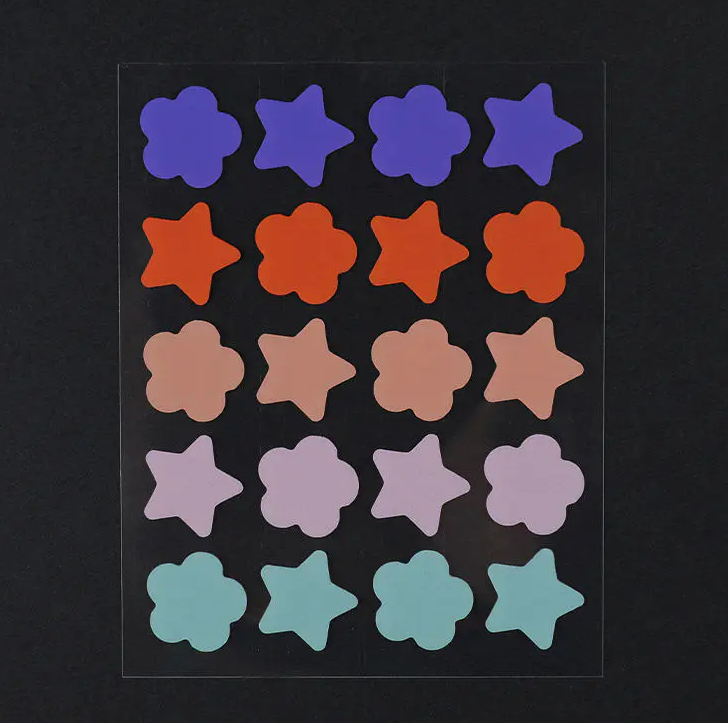
Yet this approach does not always work as expected. In some cases, it may even make the situation worse. Skin behaves differently depending on the type of blemish, the condition of the surface, and how long the area remains covered.
Understanding when not to use a bandaid becomes just as important as knowing when it might help.
What Happens When A Pimple Is Covered For Too Long?
Covering the skin creates a closed environment. Airflow decreases. Moisture builds. Heat may remain trapped under the surface. While this can protect the area from dust or friction, it can also change how the skin reacts.
A pimple that stays covered for long periods may soften in an uneven way. The surface can become overly moist, which sometimes leads to irritation rather than recovery. In certain situations, the surrounding skin appears pale or wrinkled after removal.
This effect is more noticeable when the covering is left in place without breaks. Skin needs some level of exposure to balance itself. Continuous coverage can interfere with that balance.
Are All Bandaids Pimples Suitable For Coverage?
Not every type of pimple responds well to being covered. Some are surface-level, while others sit deeper under the skin.
A small, closed bump may not benefit from being sealed. There is no open area to protect, and the covering may only trap oil and moisture. On the other hand, a pimple that has already been disturbed may react differently.
It helps to recognize that pimples vary in structure:
- Some remain beneath the surface and feel firm
- Some develop a visible head
- Some become irritated due to external pressure
- Some are already healing
Using the same approach for all of them can find to mixed results.
When Does Moisture Become A Problem?
People often think moisture helps skin heal, but too much trapped dampness can actually cause new troubles. When a bandage seals off an area, sweat and natural skin oils get locked right against the skin surface.
If this stays unaddressed over time, several issues appear:
- The top layer of skin gets overly soft and weakened
- Skin irritation becomes far more likely
- Pimple development can be disrupted or worsened
- Visible healing takes longer than normal
This happens much more easily in hot weather or when sweating from daily movement. Dampness under the bandage messes up the skin's natural repair cycle instead of supporting it.
Can Bandaids Trap More Than They Protect?
Bandages don't just stop outside dirt from touching the skin—they also keep whatever is already on the skin trapped underneath.
If the spot isn't cleaned properly before putting on a bandage, tiny debris, oil and leftover gunk stay sealed in place. Instead of protecting the skin, the covering holds these irritants directly against it.
This problem gets even worse in these cases:
- The skin isn't gently wiped clean before application
- Bandages are reused or touched repeatedly by hands
- Surrounding skin naturally produces heavy oil
Rather than working as a protective barrier, the bandage forms a tight seal that keeps unwanted substances pressed against the skin.
What About Sensitive Or Reactive Skin?
Certain skin types react easily to even gentle materials. Even mild bandage adhesives can trigger redness and discomfort for sensitive skin.
For those with reactive skin, putting on and peeling off bandages can find to:
- Minor tugging and damage to the top skin layer
- Temporary red marks left after removal
- A tight, uncomfortable feeling once the bandage comes off
- Constant sensitivity in the covered spot
Using bandages repeatedly on the same area makes these side effects more obvious. The skin simply doesn't get enough time to recover between each use.
Does Covering Encourage Or Prevent Touching?
One common reason people use bandaids on pimples is to avoid touching them. This can be helpful in certain situations. A physical barrier can reduce the habit of picking or pressing the area.
At the same time, the presence of a covering can draw attention. Some people find themselves checking or adjusting it more often. This repeated contact may counter the original purpose.
The outcome depends on behavior as much as the product itself. A covering does not automatically remove the urge to touch the skin.
When Should You Avoid Using A Bandaid Completely?
There are moments when using a bandaid may not be suitable at all. These situations often involve how the skin is currently behaving rather than the pimple itself.
It may be better to avoid using one when:
- The skin already feels irritated or inflamed
- The area is producing noticeable moisture
- The pimple is deep under the surface
- The surrounding skin reacts easily to adhesives
The covering would stay in place for extended periods without change
In these cases, leaving the area uncovered may allow the skin to settle more naturally.
How Does Skin Location Affect The Decision?
Skin across different face and body areas reacts differently to adhesive bandages. Some spots move constantly, while others stay relatively still.
High‑motion areas like joints often pull and shift bandages during daily movement. This constant rubbing creates friction that can worsen skin irritation over time.
On more stable body parts, bandages stay stuck more reliably. However, these still areas tend to trap heat and sweat under the covering more easily.
Where you place the bandage directly impacts:
- How firmly the adhesive stays attached
- The amount of friction from regular daily movements
- Long‑term skin comfort and condition under the bandage
Even using the same bandage style can produce different results just based on placement.
What Role Does Duration Play?
How long you keep a bandage applied makes a big difference, even if it's easy to overlook. Short‑term use rarely causes issues, but extended wear changes how skin behaves.
Leaving a bandage on all day or overnight without checking regularly often leads to:
- Trapped moisture and sweat building up
- Poor air circulation against the skin
- Roughness or uneven texture developing on the covered skin
Taking the bandage off at intervals lets the skin breathe and recover. Keeping it on non‑stop without breaks usually causes more visible skin side effects.
A Simple Comparison Of Situations
| Situation | Using A Bandaid | Avoiding A Bandaid |
|---|---|---|
| Recently touched pimple | Sometimes used | Depends on condition |
| Deep, under-the-skin pimple | Not helpful | More suitable |
| Sensitive skin area | May irritate | Often preferred |
| Warm or humid environment | May trap moisture | Better uncovered |
| Short-term protection needed | Can be useful | Optional |
| Long-term continuous coverage | Often problematic | More balanced |
This table reflects general tendencies rather than strict rules. Skin behavior can vary.
Why Do Simple Solutions Sometimes Feel Complicated?
The idea behind using a bandaid is easy to understand. Protect the area and avoid interference. In practice, the skin responds in ways that are not always predictable.
Small changes in moisture, pressure, or airflow can shift how a pimple develops. What works in one situation may not work in another.
Because of this, a simple method can find to mixed experiences. Observing how the skin reacts over time becomes more useful than following a fixed habit.
How Can You Decide In Real Situations?
Deciding whether to use a bandaid often comes down to observation. Instead of relying on a single rule, it helps to look at the current condition of the skin.
Questions that may help include:
- Does the area feel dry or already moist?
- Is the pimple on the surface or deeper below?
- Does the skin react easily to contact?
- Will the covering stay in place without friction?
The answers to these questions can guide the choice more effectively than a general assumption.
Using a bandaid on pimples is not a one-size approach. In some cases, it may offer short-term protection. In others, it may interfere with how the skin settles. The difference often lies in timing, skin condition, and how long the area remains covered.