English
  中文简体
中文简体 Español
 Deutsch
 русский
 عربى
عربىSilicone Scar Reducing Tape is widely used in daily skin recovery routines where surface appearance and long-term stability are concerns. Although it looks simple, its effect comes from continuous and stable contact with the skin rather than any active or aggressive treatment approach. Once applied over a scar, it forms a flexible covering layer that stays in place during normal movement, allowing the skin underneath to remain in a more controlled condition. The main idea is to reduce unnecessary external disturbance and support a steady surface environment, which can influence how the scar gradually appears over time.
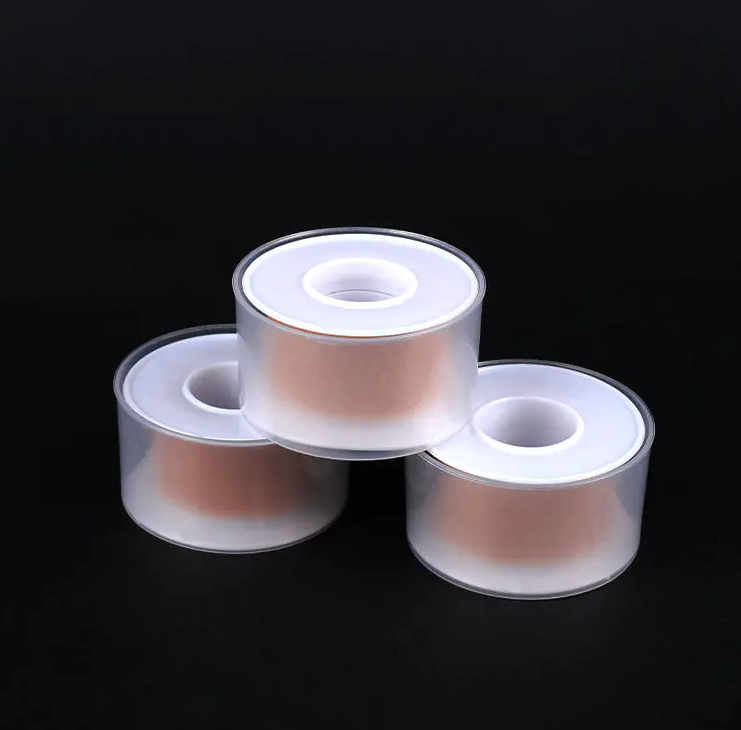
The tape does not change the skin instantly. Instead, it works quietly through consistency. By staying in contact with the scar area for extended periods, it helps create a stable environment where the skin is less exposed to daily friction, air variation, and repeated physical contact. This slow and steady interaction is what makes it a commonly used option in surface-level scar care routines.
What Happens When Silicone Scar Tape Touches The Skin?
When silicone scar tape is placed on the skin, it immediately forms a soft and even covering over the scar area. This layer sits closely against the surface without creating pressure that feels rigid or uncomfortable. The contact is designed to be smooth so that it can remain in place for long periods, even while the body moves naturally during daily activity. Once applied, the tape separates the scar from direct exposure to air, clothing friction, and frequent touching, which are all common factors that may influence surface condition.
Over time, this stable covering helps reduce small disturbances that the skin would normally experience. The scar area remains protected under a flexible layer that moves with the skin rather than against it. This allows the surface to stay more consistent throughout the day, especially in areas where movement is frequent, such as joints or facial expressions.
Why Does A Stable Surface Environment Matter For Scars?
Scar tissue behaves differently from normal skin because it is still adjusting after the healing process. During this period, the surface can be sensitive to external factors such as temperature changes, friction, or repeated stretching. Without protection, these influences may create uneven surface reactions, which can affect how the scar appears visually over time.
Silicone scar tape helps by creating a controlled surface environment. It reduces direct exposure to external elements and limits the frequency of sudden changes on the skin. This stability allows the scar to remain in a calmer condition, where external disturbances are minimized. Instead of constantly reacting to daily environmental changes, the skin stays in a more predictable state, which supports smoother surface behavior over time.
How Does Silicone Tape Influence Skin Moisture Balance?
One of the important roles of silicone scar tape is its ability to maintain a balanced level of surface moisture. When applied, it does not completely seal the skin in a rigid or airtight way. Instead, it forms a semi-permeable layer that slows down moisture loss while still allowing the skin to breathe naturally. This creates a balanced condition where the scar area is not overly dry and not overly exposed to external humidity changes.
This balance is important because scar tissue can react strongly to dryness or excessive moisture fluctuations. By maintaining a more stable surface environment, the tape helps the skin avoid rapid shifts that may affect texture and appearance. The result is a more even and controlled surface condition during daily wear.
How Does Silicone Scar Tape Compare With Other Care Methods?
Different scar care approaches interact with the skin in different ways. Some methods rely on short-term application, while others provide continuous coverage. Silicone scar tape belongs to the second category, offering long-duration surface contact that remains stable throughout daily activities. This makes it different from methods that require frequent reapplication or only provide temporary surface interaction.
To understand the difference more clearly, the following comparison outlines how silicone tape behaves compared to other common approaches:
| Care Method | Surface Contact Type | Daily Interaction Level | Stability Over Time |
|---|---|---|---|
| Silicone Scar Tape | Continuous coverage | Low maintenance | High consistency |
| Surface creams | Temporary application | Repeated use needed | Variable effect |
| No protective layer | Direct exposure | Full environmental contact | Low stability |
| Occasional treatment | Intermittent contact | Inconsistent routine | Moderate consistency |
This comparison shows that silicone tape focuses more on maintaining a stable surface condition rather than short-term visible changes. Its main role is consistency over time rather than immediate transformation.
When Is The Most Suitable Time To Start Using Silicone Scar Tape?
Silicone scar tape is generally used after the skin has fully closed and the initial recovery stage has passed. At this point, the surface is no longer open or sensitive in an active healing sense, but it is still undergoing visible adjustment in texture and appearance. This stage is often where external surface support becomes more relevant, as the scar is still flexible in how it develops.
If used too early, the skin may not be ready for continuous surface coverage. If used too late, the scar may already have settled into a more stable form, where changes happen more slowly. The suitable timing is when the skin is stable enough to tolerate contact but still responsive to surface-level environmental support.
How Long Should Silicone Scar Tape Stay On The Skin?
Silicone scar tape is designed for extended use rather than short applications. Once placed on the skin, it can remain in contact for long periods throughout the day, maintaining a consistent surface environment. This continuous contact allows the skin to experience stable conditions without frequent interruption from external factors such as friction or environmental changes.
When the tape is removed, the skin is usually cleaned gently before reapplication. This cycle is repeated regularly to maintain consistent surface coverage. The effectiveness of the tape is closely linked to this repeated and steady use, rather than occasional application.
What Types Of Scars Can Silicone Tape Be Used On?
Silicone scar tape can be applied to different types of visible scars, including raised areas, flat marks, and scars formed after various skin recovery processes. Each scar type behaves differently depending on its location, depth, and stage of development. Some scars respond more quickly to surface support, while others require longer periods of consistent use before noticeable changes occur.
The tape does not directly modify internal skin structure. Instead, it influences the external environment where the scar is exposed. This makes it suitable for a wide range of surface conditions where protection, stability, and controlled exposure are needed during daily life.
How Does Daily Movement Affect Scar Appearance Without Protection?
Daily movement plays a constant role in how skin behaves. Even simple actions such as facial expressions, walking, or bending create small amounts of tension on different areas of the body. Scar tissue, being less flexible than normal skin, can react more noticeably to these repeated movements, especially in high-motion areas.
Silicone scar tape helps reduce this effect by acting as a flexible protective layer that moves along with the skin. Instead of allowing direct stretching on the scar surface, it distributes movement more evenly across the covered area. This reduces repeated stress and helps maintain a more stable appearance during everyday activities.
Why Does Consistency Matter In Scar Surface Care?
Scar changes do not happen quickly. They develop gradually through repeated exposure to similar conditions over time. Because of this, consistency plays a more important role than occasional intensive care. Silicone scar tape supports this process by providing continuous and stable surface coverage, allowing the skin to experience the same environment each day.
When use is consistent, the scar area adapts slowly under controlled conditions. When use is irregular, the skin is repeatedly exposed to different external environments, which may affect surface stability. Consistency helps reduce variation and supports a more even long-term appearance.
How Does Silicone Scar Tape Fit Into Daily Life?
One of the practical advantages of silicone scar tape is that it integrates easily into everyday routines. Once applied, it stays in place during normal movement, work, rest, and light physical activity without requiring constant attention. This allows users to continue their daily life without adjusting their routine significantly.
The simplicity of use also supports long-term consistency. Because it does not require frequent reapplication throughout the day, it becomes part of a steady routine rather than an additional task. Over time, this makes it easier to maintain regular surface coverage, which is important for gradual and stable scar appearance management.