English
  中文简体
中文简体 Español
 Deutsch
 русский
 عربى
عربىAcne patches have become a familiar part of daily skincare routines in many regions. They are small, thin, and designed to be placed directly on a visible spot. The idea looks simple, yet the timing of use plays a strong role in how the skin responds. A patch applied at the right moment often feels more effective than one used without observing the condition of the skin.
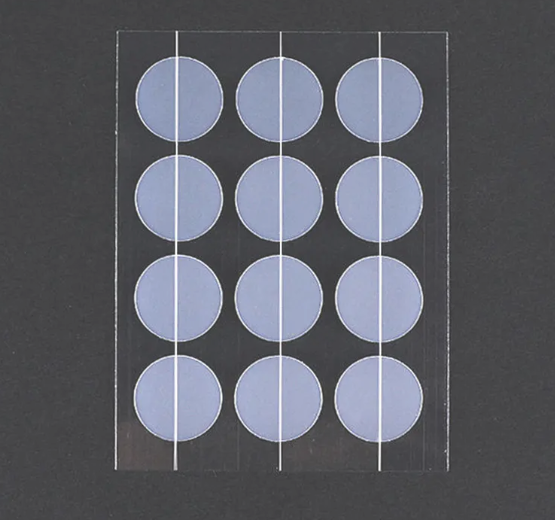
The challenge is not about how to use it, but when to use it. A pimple changes over time, moving through different stages. Each stage behaves differently on the skin surface. Understanding these changes helps in choosing a suitable moment for application.
What Stage Of A Pimple Is Most Suitable For An Acne Patch?
A pimple does not stay in one form. It begins under the skin, slowly becomes visible, and then gradually settles. Acne tend to work more noticeably when the spot reaches a surface stage where there is visible change on the skin.
At this stage, the spot may appear raised or contain visible fluid. The patch can sit closely on the surface and maintain contact. When applied too early, the spot is still developing under the skin, and the patch has little to interact with. When applied too late, the area may already be drying, and the visible effect becomes less noticeable.The middle stage is where interaction happens. The patch works with what is already visible, rather than trying to influence what is still forming beneath the surface.
Why Does Timing Influence Acne Patch Performance?
Skin is always changing, even when it appears stable. A pimple moves through natural development stages, and each stage reacts differently to external contact. Patches are designed for surface interaction, which means they depend on what is already present on the skin.
When the timing aligns with the visible stage, the patch can maintain steady contact and reduce external disturbance. If applied too early, the surface is not ready for interaction. If applied too late, the condition has already started to settle.
Timing also affects comfort. A patch applied at the right stage tends to stay in place more easily. The skin surface is more stable, which supports better adherence without constant adjustment.
Can Acne Patches Be Used On Early-Stage Spots?
Early-stage spots often feel like small changes beneath the skin. There may be slight sensitivity or a subtle bump without a clear surface appearance. At this stage, Patches usually have limited effect because there is not enough surface activity to interact with.
Some users still apply patches at this stage to avoid touching or irritating the area. This can help protect the skin from external contact, but the visible change is often minimal. The spot is still developing internally, and surface treatment does not fully match its condition yet.In many cases, patience at this stage leads to more noticeable results later when the spot becomes more visible.
When Do Acne Patches Show Clearer Surface Response?
A clearer response is usually observed when the spot becomes visible on the surface and shows slight fluid or a raised form. This is the stage where the patch can maintain close contact with the skin and interact more directly.
At this point, the patch creates a stable layer over the area. It helps reduce contact from outside elements such as dust or repeated touching. The skin underneath remains protected while the surface condition slowly changes.The visual improvement is often more noticeable during this stage because the patch is working directly with an active surface condition.
Should Acne Patches Be Used During The Day Or At Night?
Both daytime and nighttime use are common. Nighttime application is often preferred because the skin remains still for longer periods. There is less movement, fewer external contacts, and more stable conditions overall.
Daytime use is also practical, especially when the patch is thin and less visible. It can stay in place while normal activities continue. The choice depends on personal routine and comfort rather than strict rules.
What matters more is consistency of placement and allowing the patch enough time to remain on the skin without frequent disturbance.
How Long Should An Acne Patch Stay On The Skin?
The duration of use influences how the patch interacts with the skin surface. Once applied, the patch gradually works by maintaining a controlled environment over the spot. Over time, it may absorb moisture from the affected area.
If removed too early, the interaction may be incomplete. If left until it naturally loosens, the process tends to feel more stable. The skin often feels calmer when the patch is allowed to stay undisturbed for a reasonable period.It is less about exact timing and more about allowing the patch to follow its natural cycle of interaction with the skin.
Can Multiple Acne Patches Be Used At The Same Time?
Multiple spots can appear at once, and in such cases, more than one patch can be used. Each patch works independently on the area it covers, without affecting other spots.
Placement matters in this situation. Each patch should sit flat on clean skin without overlapping others. This helps maintain stability and ensures that each area receives consistent coverage.
Even when multiple patches are used, the timing principle remains the same. Each spot should be observed individually based on its stage of development.
What Skin Conditions Influence Patch Timing?
Skin behavior is not identical across all individuals or even across different areas of the same face. Some spots develop quickly, while others remain under the surface for longer periods.
Oily skin may bring spots to the surface more quickly, while drier skin may keep them in earlier stages for longer. Environmental conditions such as heat or humidity can also influence how fast a spot becomes visible.
Daily habits, such as touching the skin or exposure to makeup, may also affect development. Because of these variations, timing is always linked to observation rather than a fixed rule.
How Does Proper Placement Affect The Outcome?
Placement is a simple but important detail. A patch that sits evenly on the skin tends to remain stable and maintain better contact with the affected area.
Clean skin before application supports better adherence. If the surface has oil or residue, the patch may not stay as firmly in place. Once applied, keeping movement minimal helps maintain consistency.
Correct placement does not change the function of the patch, but it supports smoother interaction with the skin surface during use.
What Pattern Helps Understand Acne Patch Timing?
The relationship between skin stages and patch use can be viewed as a simple progression. Each stage shows different levels of surface activity, which influences how the patch interacts with the area.
| Skin Stage | Appearance | Patch Interaction |
|---|---|---|
| Early stage | Subtle bump under skin | Limited surface contact |
| Visible stage | Raised spot with fluid | Strong surface interaction |
| Settling stage | Reduced redness | Protective coverage |
| Healing stage | Fading mark | Minimal visible effect |
This pattern shows that timing depends more on observation than fixed scheduling.
Why Does Observation Matter More Than Fixed Rules?
Skin does not follow a strict schedule. It changes based on internal and external conditions. Because of this, observation becomes more practical than rigid timing rules.
Noticing how a spot develops helps guide when to apply a patch. Over time, users often become familiar with their own skin patterns. This makes timing more intuitive rather than mechanical.Each use becomes a response to the skin's current condition, creating a more adaptive approach to daily care.