English
  中文简体
中文简体 Español
 Deutsch
 русский
 عربى
عربىIntroduction to Silk Tape Tear Resistance
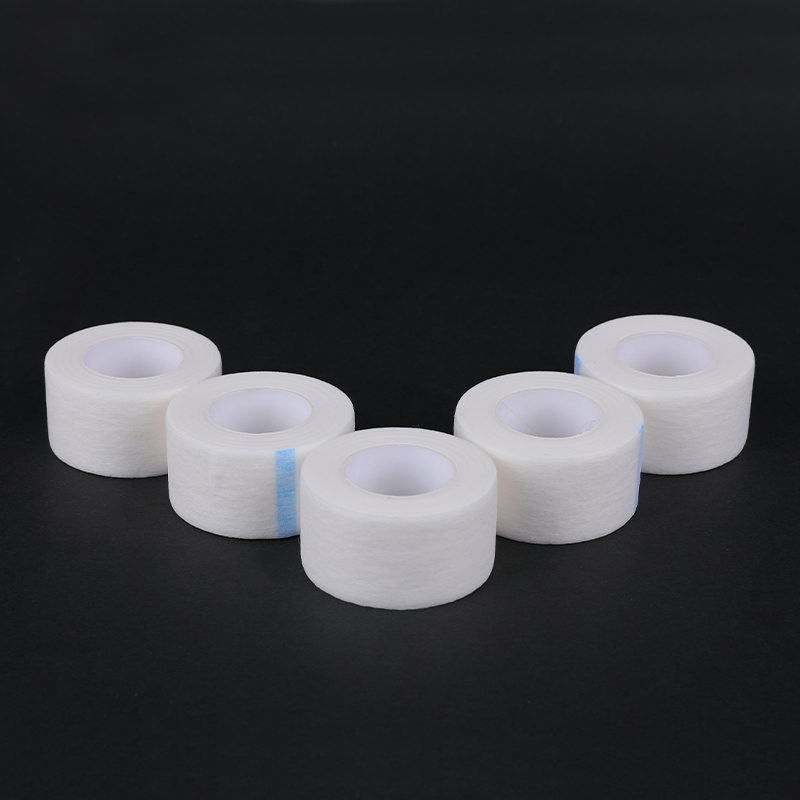
A Silk Tape Factory produces high-quality tapes designed for applications requiring flexibility, strength, and smooth handling. One of the critical performance characteristics of silk tape is its tear resistance. Tear resistance determines how well the tape withstands mechanical stress, prevents accidental ripping, and maintains its integrity during handling or application.
Material Composition and Its Role
- Silk Fibers: The primary strength of silk tape comes from tightly woven silk fibers that provide a balance of flexibility and tensile strength.
- Adhesive Layer: The type of adhesive used affects tear behavior. High-quality adhesives bond strongly without weakening the silk fabric, maintaining overall durability.
- Backing Material: Some silk tapes include reinforced backing to improve structural integrity and distribute stress more evenly across the tape.
Testing Tear Resistance
- Standardized Tests: Tear resistance is measured using industry-standard tests, such as the Elmendorf tear test, which quantifies the force required to propagate a tear.
- Directional Testing: Since silk fibers are woven, tear resistance can vary along different directions. Tests along the warp and weft directions help evaluate performance comprehensively.
- Temperature and Humidity Influence: Environmental factors can affect tear resistance. High humidity or bad temperatures may soften adhesive or fibers, reducing performance.
Factors Affecting Tear Resistance
- Tape Thickness: Thicker silk tape generally resists tearing better, but excessive thickness may reduce flexibility.
- Fiber Density: Tightly woven silk fibers improve tear resistance by preventing the easy propagation of rips.
- Surface Coatings: Coatings on the tape can enhance durability, reduce friction, and improve resistance against accidental nicks or cuts.
- Adhesive Strength: Strong adhesives ensure that the tape remains in place during stress, but must be balanced to prevent tearing the tape during removal.
Application Considerations
- Manual Handling: Silk tape is often torn by hand. High tear resistance ensures users can control tearing without unexpected ripping.
- Dynamic Loads: In applications like stage rigging or packaging, tapes may experience sudden loads. Tear-resistant silk tape can absorb these forces without failure.
- Reusable Applications: Tapes that maintain tear resistance after repeated applications provide more value and reliability.
Comparison with Other Tapes
- Paper Tape: Compared to paper tapes, silk tape offers significantly higher tear resistance and flexibility.
- Plastic or Vinyl Tape: While plastic tapes may resist moisture better, they are often less flexible and harder to tear cleanly by hand compared to silk tape.
- Cloth or Fabric Tape: Silk tape often provides a smoother surface and more predictable tear behavior than general fabric tapes, making it ideal for precision applications.
Enhancing Tear Resistance
- Reinforced Weaving: Some silk tapes incorporate reinforced weaving patterns to distribute stress and improve durability.
- Heat Treatment: Proper manufacturing processes, including controlled drying or heat treatment, help stabilize fibers and adhesive for improved tear resistance.
- Protective Coatings: Laminates or coatings can enhance surface strength and reduce micro-tears during storage or use.
The tear resistance of silk tape is a key factor that determines its usability and reliability in various applications. A Silk Tape Factory must focus on fiber quality, adhesive strength, and manufacturing techniques to optimize performance. Factors such as tape thickness, fiber density, adhesive type, and surface coatings all contribute to how well silk tape resists tearing. For industries requiring precise handling, durability, and repeated use, understanding and selecting tapes with the right tear resistance ensures better outcomes, reduced waste, and higher efficiency. By combining material science and proper manufacturing, silk tapes can offer a suitable balance of flexibility and strength for a wide range of applications.