English
  中文简体
中文简体 Español
 Deutsch
 русский
 عربى
عربىIntroduction to Non-Woven Tape Adhesion
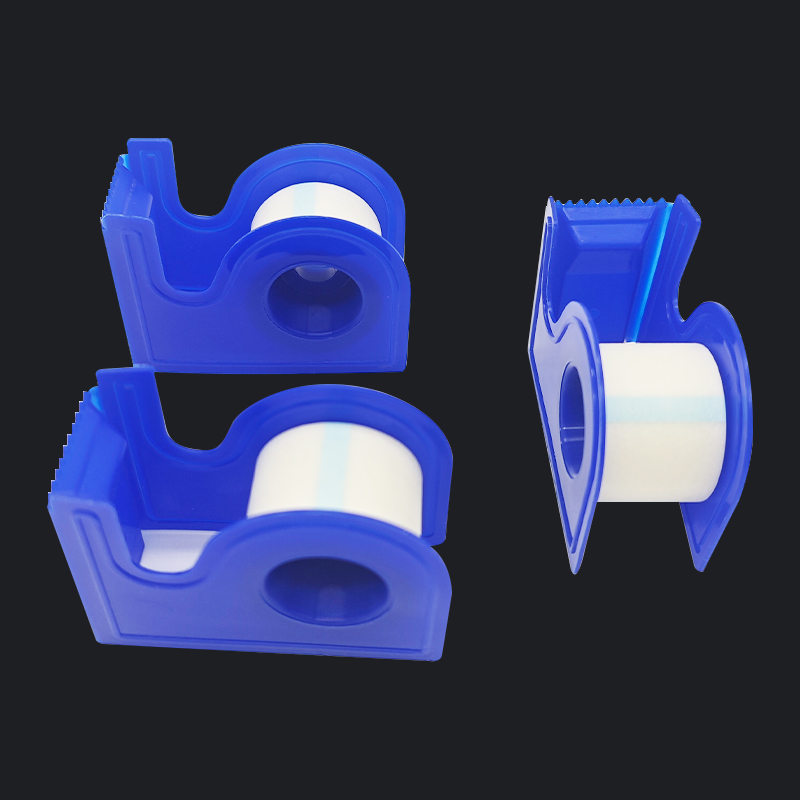
Non-Woven Tape is widely used in packaging, medical, craft, and industrial applications due to its versatility and ease of use. One of the key factors affecting its performance is how well it adheres to different surfaces. Understanding the adhesion characteristics across various materials is essential for selecting the right tape for each task. Different surface textures, porosity, and coatings can significantly influence the effectiveness of non-woven tape.
Adhesion on Smooth Surfaces
- Glass Surfaces: Non-woven tape generally adheres well to glass, offering strong initial tack. However, dust, grease, or moisture can reduce adhesion, so cleaning is recommended before application.
- Metal Surfaces: Smooth, painted, or polished metals provide good bonding. Surface treatments, like anodizing or powder coating, may affect adhesion slightly, requiring a stronger initial tack.
- Plastic Surfaces: Non-porous plastics such as acrylic or polycarbonate typically allow good adhesion, but the flexibility and low surface energy of some plastics, like polyethylene, may reduce stickiness. Pre-treatment or primer application can enhance results.
Adhesion on Porous Surfaces
- Wood: Non-woven tape adheres effectively to sanded or finished wood. The natural porosity allows the adhesive to penetrate slightly, increasing holding strength. Rough or unsealed wood may require stronger adhesive formulations.
- Paper and Cardboard: These surfaces absorb the adhesive, creating a reliable bond. Non-woven tape is ideal for packaging, sealing boxes, and arts and crafts applications on these materials.
- Fabric and Textiles: Adhesion varies depending on weave and fiber type. Tight-woven fabrics provide a good surface for bonding, while loosely woven or textured fabrics may require additional pressure for proper adhesion.
Adhesion on Textured or Irregular Surfaces
- Brick and Concrete: The irregularities and roughness of masonry surfaces can limit the contact area. Non-woven tape can be used temporarily, but long-term adhesion may be compromised unless applied with firm pressure.
- Ceramic Tiles: Smooth glazed tiles provide moderate adhesion, while textured tiles reduce effective bonding. Surface cleaning and drying are important to improve adhesion.
- Painted Surfaces: Adhesion depends on the type of paint. Glossy or semi-gloss paints may reduce tape performance, whereas matte finishes usually allow better bonding.
Environmental Factors Affecting Adhesion
- Temperature: badly high or low temperatures can affect the adhesive layer. Non-woven tape tends to perform in moderate conditions; cold surfaces may reduce tack, and hot surfaces may soften the adhesive.
- Moisture and Humidity: Excess moisture can interfere with bonding, especially on porous surfaces. For temporary outdoor applications, consider tapes with water-resistant adhesives.
- Dust and Dirt: Particles on the surface prevent full contact between the tape and the substrate, reducing adhesion. Cleaning and wiping surfaces before application is recommended.
Tips for Optimizing Adhesion
- Surface Preparation: Always clean and dry surfaces to remove dust, oil, or grease.
- Pressure Application: Applying firm, even pressure increases the contact area and enhances adhesive strength.
- Use of Primers: For low-energy or very smooth surfaces, primers can improve bonding.
- Temperature Considerations: Applying tape at recommended temperature ranges ensures suitable adhesive performance.
The adhesion of Non-Woven Tape varies significantly depending on the surface type. Smooth surfaces like glass and metals offer strong initial tack, while porous surfaces such as wood and paper allow deeper adhesive penetration for durable bonding. Textured or irregular surfaces may require extra pressure or preparation. Environmental factors such as temperature, humidity, and cleanliness also play crucial roles in performance. By understanding these variables and applying the tape correctly, users can ensure reliable adhesion across a wide range of applications, from packaging to industrial and creative projects. Choosing the right surface and following practices improves the effectiveness and longevity of non-woven tape usage.