English
  中文简体
中文简体 Español
 Deutsch
 русский
 عربى
عربىIntroduction to Medical Tape Breathability
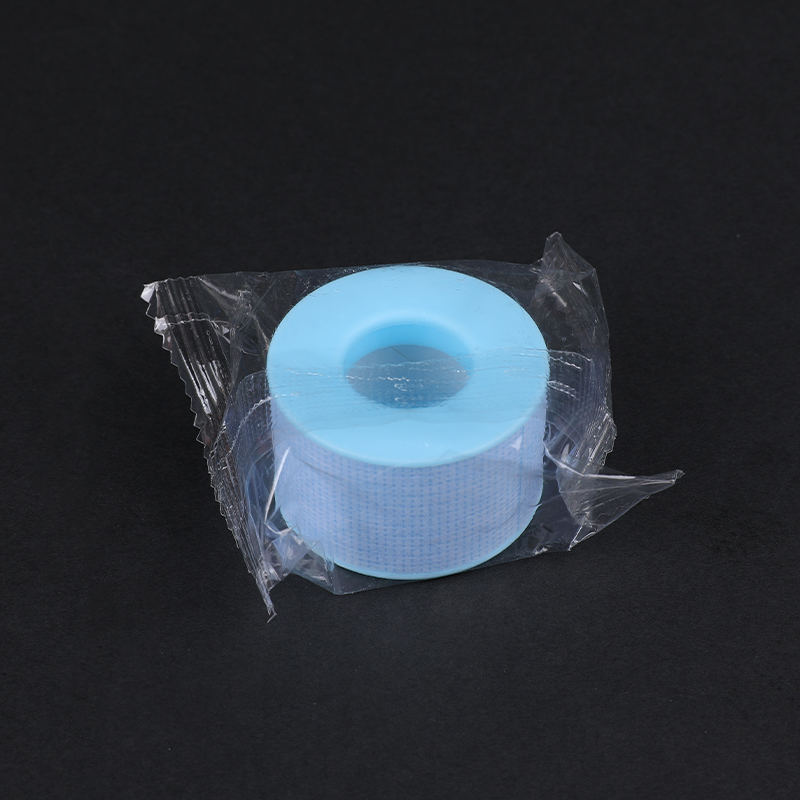
Medical tape is an essential tool in wound care, dressing fixation, and medical device stabilization. One critical property that influences its effectiveness is breathability, which refers to the tape's ability to allow air and moisture to pass through while maintaining secure adhesion. At a trusted Medical Tape Factory, various breathable tape products are designed to address different clinical needs, ensuring patient comfort and suitable wound healing. Understanding how breathability affects performance helps medical professionals select the suitable tape for each application.
How Breathability Affects Skin Health
The primary advantage of breathable medical tapes lies in their impact on skin health. By allowing air circulation, breathable tapes reduce the risk of moisture accumulation under the dressing, which can otherwise cause skin maceration, irritation, or infection. Patients with sensitive skin or long-term medical needs particularly benefit from breathable tapes, as the reduced friction and ventilation reduce discomfort. Breathable tapes also facilitate the natural healing process by maintaining a suitable microenvironment for the wound.
Materials Contributing to Breathability
The level of breathability in medical tape is largely determined by the materials used. Paper-based and non-woven fabrics are commonly employed due to their porous structures, which allow airflow without compromising adhesive function. Some tapes incorporate perforations or micro-holes to enhance ventilation further. These design considerations are carefully balanced in a Medical Tape Factory to ensure that breathability does not come at the expense of secure fixation or durability. Different material compositions cater to diverse needs, such as pediatric care, dermatologically sensitive patients, or areas of the body that experience frequent movement.
Advantages of Breathable Medical Tape
Breathable medical tapes provide multiple benefits beyond skin health. Their flexibility and soft texture make them easy to apply to curved or sensitive areas without causing pain or discomfort. They also reduce the risk of allergic reactions since they often use hypoallergenic adhesives. For medical staff, these tapes simplify dressing changes, as the tape can be removed without causing trauma to the skin or underlying tissues. Moreover, breathable tapes maintain adhesion in environments where perspiration or minor moisture is present, making them suitable for active patients or extended wear.
Limitations of Breathable Medical Tape
Despite their benefits, breathable tapes have certain limitations. They generally offer lower adhesive strength compared to high-adhesion medical tapes, which can make them less effective for securing heavy dressings or medical devices. In areas subject to friction or frequent movement, breathable tapes may peel or shift more easily. Additionally, highly porous tapes may be more prone to tearing during application, requiring careful handling by medical personnel. Understanding these limitations allows healthcare providers to choose the correct type of tape for each clinical scenario.
Selecting the Right Tape for Patient Needs
Choosing an appropriate medical tape involves evaluating both breathability and adhesive performance. Breathable tapes are ideal for long-term wound care, sensitive skin, and areas requiring frequent inspection or dressing changes. In contrast, tapes with stronger adhesion may be necessary for immobilizing devices or heavy dressings. A reputable Medical Tape Factory typically offers a variety of options, allowing clinicians to match the tape’s properties with the specific demands of the patient and the treatment plan.
Breathability is a key factor in medical tape performance, directly affecting patient comfort, skin health, and wound healing. While breathable tapes offer enhanced ventilation and reduced skin irritation, they may provide less adhesive strength than other types. By understanding the materials, advantages, and limitations of breathable medical tapes, healthcare providers can make informed choices that optimize patient outcomes and ensure effective care.