English
  中文简体
中文简体 Español
 Deutsch
 русский
 عربى
عربىIntroduction to Surgical Tape Varieties
Surgical tape is a critical tool in medical care, widely used for wound closure, securing bandages, and supporting medical devices. The quality and type of surgical tape can significantly influence both patient comfort and healing outcomes. At a reliable Surgical Tape Factory, various options are produced to cater to diverse medical needs, ranging from breathable tapes to high-adhesion variants. Understanding the advantages and disadvantages of these types helps healthcare providers select the suitable tape for each situation.
Breathable Surgical Tape Advantages
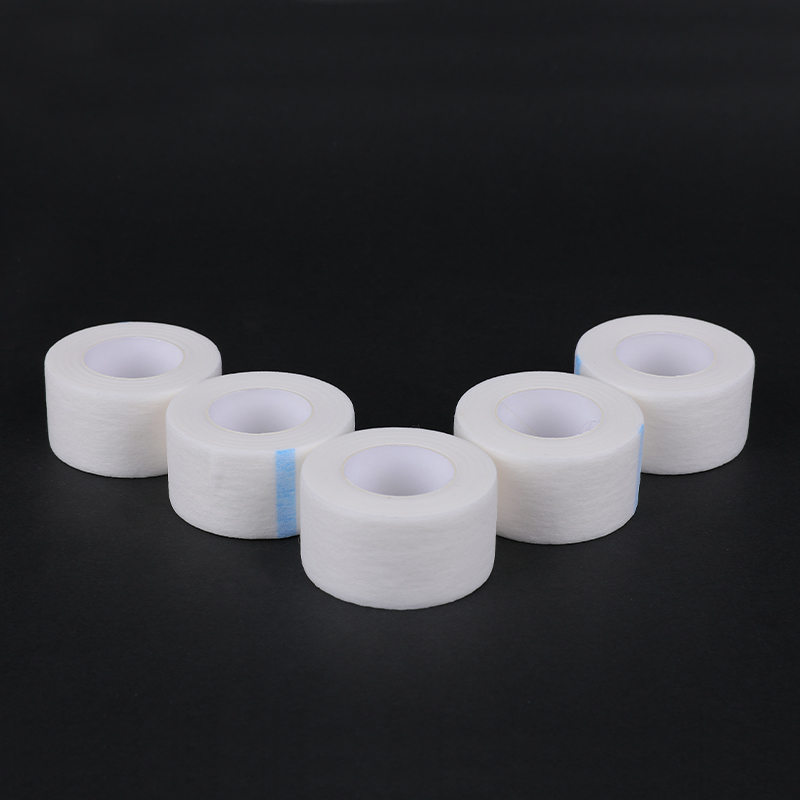
Breathable surgical tapes, often made from paper or non-woven materials, are designed to allow air circulation around the wound. This characteristic promotes faster healing and reduces the risk of skin maceration or irritation, especially during long-term use. These tapes are gentle on sensitive skin, making them ideal for pediatric and geriatric patients, or those with compromised skin integrity. The lightweight nature of breathable tapes also ensures that patients can move comfortably without the tape peeling off prematurely.
Breathable Surgical Tape Disadvantages
Despite their skin-friendly nature, breathable surgical tapes generally have lower adhesive strength. They may not hold heavy dressings or medical devices securely, particularly in areas subject to movement or moisture. In addition, because these tapes are thinner and more flexible, they are more prone to tearing during application, which can cause inconvenience in high-volume clinical settings. Thus, their use is suited for light-duty applications or areas where frequent tape changes are acceptable.
High-Adhesion Surgical Tape Advantages
High-adhesion surgical tapes, made from materials such as cloth or strong synthetic polymers, are designed to provide a firm and long-lasting bond. These tapes excel in securing bulky dressings, intravenous lines, or medical devices in place for extended periods. Their strong adhesive properties ensure movement of dressings, reducing the risk of contamination or wound reopening. For patients with active lifestyles or in critical care settings, high-adhesion tapes are often preferred for their reliability.
High-Adhesion Surgical Tape Disadvantages
The primary drawback of high-adhesion surgical tapes is their potential to damage the skin during removal. Prolonged adhesion can cause skin stripping, redness, or irritation, particularly for individuals with fragile skin. Additionally, these tapes are less breathable, which may slow down wound healing if used for long periods. The thicker and less flexible material may also cause discomfort when applied over joints or areas of high mobility.
Choosing the Right Surgical Tape
Selecting the appropriate surgical tape requires balancing adhesion strength with patient comfort and skin safety. In clinical practice, breathable tapes are often used for delicate areas or when frequent dressing changes are needed, while high-adhesion tapes are reserved for securing heavy or critical medical devices. At a reputable Surgical Tape Factory, a wide range of options allows healthcare providers to make informed choices based on the specific clinical scenario.
Both breathable and high-adhesion surgical tapes have distinct advantages and limitations. Breathable tapes prioritize skin health and patient comfort but may lack durability, while high-adhesion tapes provide strong fixation but may risk skin damage. Understanding these differences ensures better patient care and suitable wound management, helping medical professionals select the suitable product for each need.