English
  中文简体
中文简体 Español
 Deutsch
 русский
 عربى
عربىIntroduction to Transparent Tape Residue
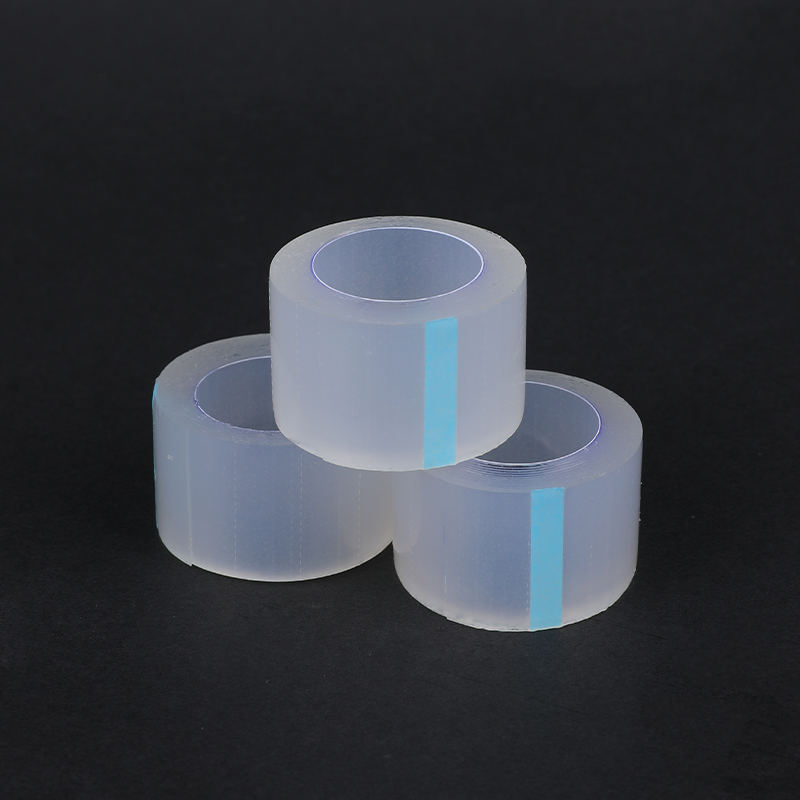
Transparent tape is widely used in homes, offices, and industrial settings due to its convenience and strong adhesion. However, one common issue that arises after removing tape is the leftover adhesive residue, which can be sticky, unsightly, and difficult to clean. A high-quality Transparent Tape Factory often develops tapes designed to minimize residue, but even the products may leave traces on surfaces such as walls, glass, plastic, or wood. Understanding proper removal techniques is essential for maintaining surface integrity and cleanliness.
Why Residue Remains After Tape Removal
The adhesive in transparent tape is designed to stick firmly to surfaces, providing reliable adhesion for a variety of tasks. When the tape is peeled off, some of the adhesive can remain behind, particularly if the tape has been applied for an extended period or exposed to heat and sunlight. Residue is more likely on porous or textured surfaces because the adhesive seeps into tiny crevices. Even surfaces marketed as “smooth” can sometimes retain sticky patches if the tape is removed too quickly or at the wrong angle.
Common Methods for Cleaning Residue
There are several effective strategies for cleaning leftover adhesive. One common approach involves using household oils, such as vegetable oil, olive oil, or baby oil. Applying a small amount of oil to the residue softens the adhesive, allowing it to be gently wiped away with a cloth. Another method uses rubbing alcohol or isopropyl alcohol, which dissolves the adhesive and evaporates quickly without leaving additional marks. For tougher residues, commercial adhesive removers or specialized cleaning products can be applied carefully to avoid damaging the surface.
Mechanical Techniques for Residue Removal
In addition to chemical methods, mechanical techniques can also be useful. A plastic scraper or credit card can gently lift adhesive from flat surfaces, especially glass or metal. Care must be taken to avoid scratching delicate surfaces. Soft cloths, microfiber towels, or even erasers can sometimes remove small amounts of residue with repeated gentle rubbing. Combining mechanical and chemical methods often produces results, particularly for stubborn patches left by long-term tape applications.
Surface-Specific Considerations
Different surfaces require different approaches. On painted walls, oils are preferred because alcohol or strong chemicals may damage the paint. Glass surfaces can tolerate rubbing alcohol or vinegar solutions and can be polished afterward for a clear finish. Wooden surfaces often respond well to mild oils or soapy water, ensuring the adhesive is removed without warping or discoloration. Plastic surfaces generally require careful use of alcohol-based solutions, as prolonged exposure to harsh chemicals can cause cloudiness or damage.
Preventing Residue in the Future
While removal techniques are effective, preventing residue in the place is ideal. Using tapes specifically labeled low-residue or designed by a reputable Transparent Tape Factory can reduce adhesive traces significantly. Additionally, applying tape for shorter durations, avoiding exposure to heat, and peeling tape off slowly at a 45-degree angle can reduce leftover residue. Proper tape selection and careful handling save time and reduce potential surface damage.
Leftover adhesive from transparent tape is a common nuisance, but understanding both preventive measures and effective removal techniques ensures clean, damage-free surfaces. Using household oils, rubbing alcohol, or specialized removers, combined with gentle mechanical methods, allows for efficient residue cleaning. By choosing high-quality tapes and employing careful application practices, individuals can reduce sticky residues and maintain surfaces in pristine condition.