English
  中文简体
中文简体 Español
 Deutsch
 русский
 عربى
عربىIntroduction to Silk Tape Adhesion
Silk tape is widely utilized in medical settings for securing dressings, catheters, and intravenous devices. Its balance of flexibility and adhesion makes it an essential tool for both patient comfort and clinical reliability. At a reputable Silk Tape Factory, tapes are manufactured with precise adhesive formulas to ensure consistent performance across different applications. Understanding the adhesive characteristics of silk tape is critical for healthcare professionals to maintain secure fixation while reducing skin irritation.
Adhesive Properties and Composition
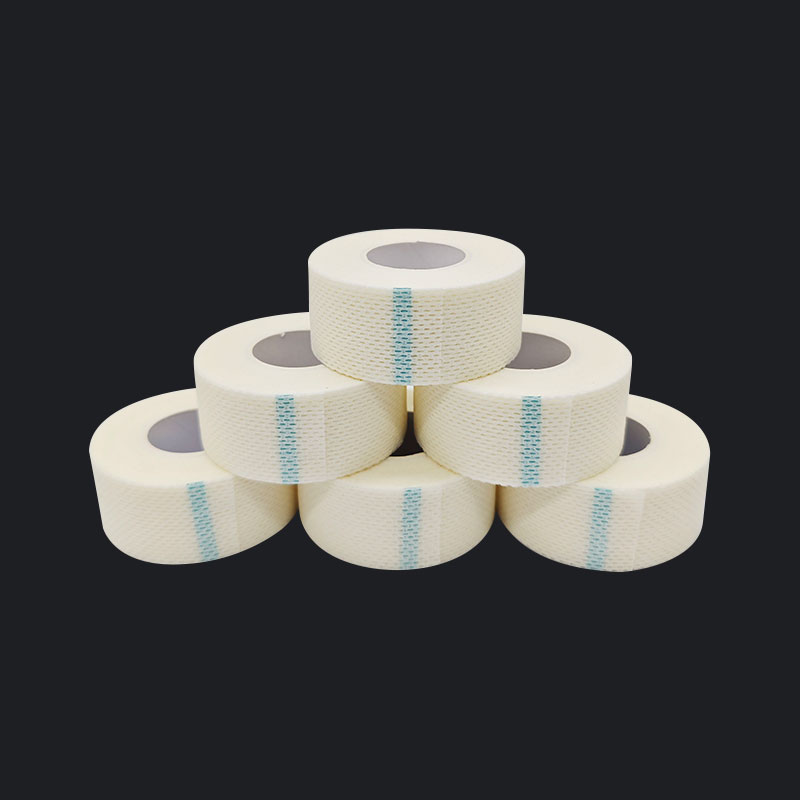
The adhesive strength of silk tape is influenced by both its carrier material and the adhesive layer applied. Silk fabric provides flexibility and conformability, allowing the tape to contour smoothly to the body, even over joints or curved surfaces. The adhesive is typically hypoallergenic, designed to provide a firm hold without causing excessive trauma upon removal. The combination of fabric and adhesive ensures that silk tape can secure dressings and medical devices reliably while remaining gentle on sensitive skin.
Securing Dressings
When applied to dressings, silk tape demonstrates strong adherence to both the skin and the dressing material. Its moderate adhesive strength prevents dressings from shifting or lifting, which is crucial in maintaining a sterile environment around wounds. Additionally, the tape’s flexibility allows for patient movement without compromising fixation. Breathability of the silk carrier reduces moisture accumulation under the dressing, promoting wound healing and decreasing the likelihood of skin irritation or maceration.
Stabilizing Catheters and IV Devices
Silk tape is commonly used to stabilize catheters, IV lines, and other medical devices that require secure positioning. Its adhesion ensures that devices remain in place even during patient mobility or extended treatment periods. Unlike stronger, less flexible tapes, silk tape reduces the risk of accidental skin damage or discomfort, which is particularly important in pediatric or geriatric patients. The tape’s fabric structure provides cushioning, distributing pressure evenly across the skin.
Factors Affecting Adhesive Performance
Several factors can influence the adhesive performance of silk tape. Skin condition is a significant variable, as oily, moist, or damaged skin may reduce adhesion. Environmental conditions, such as humidity or exposure to water, can also affect the tape’s stickiness. The method of application also plays a role; applying silk tape with even pressure and smoothing it over the surface ensures good contact and reduces the chance of peeling. A Silk Tape Factory often provides guidelines for suitable application to maintain both secure fixation and skin safety.
Limitations of Silk Tape Adhesion
While silk tape offers a good balance of adhesion and skin friendliness, it is not ideal for extremely heavy or high-tension applications. Devices or dressings that are bulky or subjected to high mechanical stress may require stronger adhesive tapes. Additionally, prolonged exposure to moisture or friction can eventually weaken the tape’s bond, necessitating periodic inspection and replacement to maintain security. Understanding these limitations enables healthcare providers to select the suitable tape for each clinical scenario.
Silk tape provides reliable adhesion for securing dressings, catheters, and intravenous devices, combining flexibility with skin-friendly properties. Its breathable fabric carrier and hypoallergenic adhesive make it suitable for sensitive patients, while maintaining secure fixation in typical clinical environments. By considering factors such as skin condition, environmental exposure, and proper application technique, medical professionals can improve the performance of silk tape. Reputable Silk Tape Factory products ensure consistency in quality and adhesive behavior, supporting both patient safety and effective medical care.