English
  中文简体
中文简体 Español
 Deutsch
 русский
 عربى
عربىFacial patches wrinkle remover strips designed for wrinkle care have become a common topic in skincare discussions. They are often linked with smoothing expression lines and improving surface appearance. A growing question among users is whether these patches can also help prevent new wrinkles from forming.
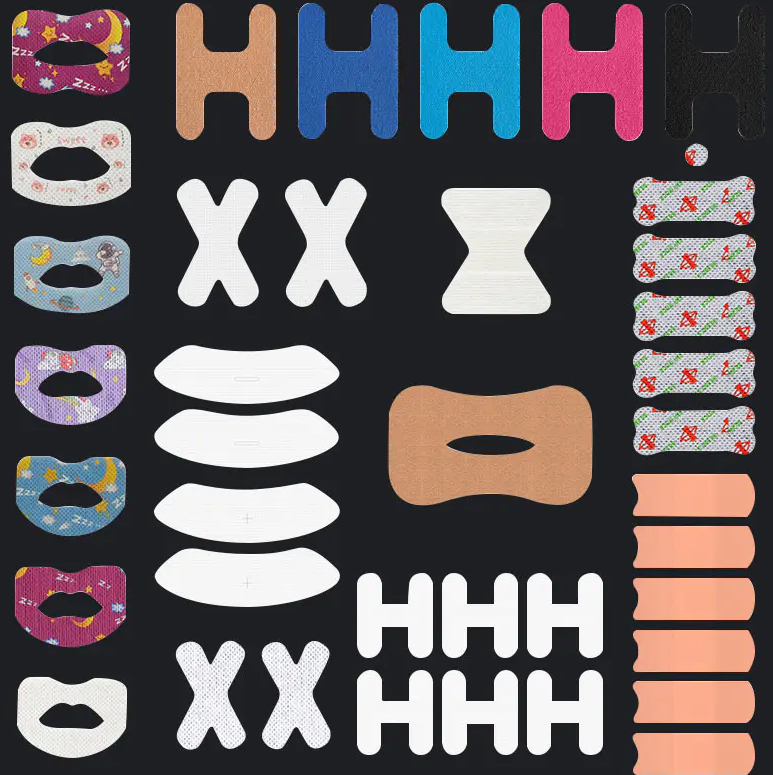
The idea sounds simple. Keep the skin in a steady position and reduce repeated folding. In practice, the situation is more layered. Skin behavior depends on movement, habits, hydration, and long-term care routines. Facial patches sit inside this broader picture rather than working alone.
How Do Facial Patches Interact With Skin Movement?
Facial expressions are one of the main reasons fine lines appear over time. The skin folds in the same areas again and again during daily life. Over time, those folds may become more visible.
Facial patches are designed to limit this repeated movement for a short period. When placed on targeted areas, they create a light holding effect. This can reduce surface creasing while the patch is in place.
The key idea is temporary support. The skin is guided into a more stable position. This reduces active folding during wear time. However, once removed, natural movement returns.
This is why facial patches are often viewed as a "moment control" tool rather than a permanent structural change.
Can Repeated Skin Folding Be Reduced Over Time?
New wrinkles often form gradually. They are influenced by repeated expressions, environmental exposure, and skin condition. If an area is constantly folded in the same way, lines may slowly become more noticeable.
Facial patches may contribute in an indirect way. By reducing how often the skin folds during use, they temporarily interrupt repetition in those moments.
Still, wrinkle formation is not caused by a single factor. Even if movement is reduced for part of the day, other factors remain active outside patch use time.
So the role of facial patches in prevention is more about reducing repeated stress during specific periods rather than stopping the overall process completely.
Do Facial Patches Change Skin Structure?
A common misunderstanding is that facial patches reshape skin at a deeper level. In reality, their effect is mainly surface-related.
They work on:
- Temporary smoothing of visible lines
- Light support of skin positioning
- Reduction of movement during wear
- Short-term visual improvement
They do not directly change deeper skin structure. Skin renewal and long-term condition depend more on internal biological processes and ongoing care habits.
This means facial patches are closer to a surface support tool rather than a structural treatment method.
What Role Does Night Use Play in Skin Behavior?
Many people use facial patches during rest time. The idea is simple. When facial movement is lower, the skin can stay in a more stable position for longer periods.
During sleep, the face may still shift slightly. Certain sleeping positions can place pressure on areas like the forehead or cheeks. Over time, this can contribute to temporary creasing.
Facial patches may reduce visible folding during this period. They help keep the surface smoother while the skin is relatively still.
However, even in rest conditions, skin continues natural activity. Hydration levels, temperature changes, and individual habits still influence overall appearance.
Can Facial Patches Influence Early Expression Lines?
Early expression lines are often soft and flexible. They appear during movement and may fade when the face is relaxed.
Facial patches can help reduce the visibility of these lines while applied. The skin surface appears smoother due to reduced folding.
This effect is temporary. Once movement resumes, expression lines return naturally. Over time, consistent habits in skincare and facial movement awareness play a larger role in how these early lines develop.
Facial patches may act as a supporting tool in moments when visual smoothness is desired, rather than a long-term corrective solution.
How Do Skin Habits Affect Wrinkle Formation?
Wrinkle development is influenced by daily habits. Facial patches are only one part of a much larger environment.
Common influencing factors include:
- Repeated facial expressions
- Hydration levels
- Sun exposure and environmental conditions
- Sleep positions and rest patterns
- General skincare routines
Facial patches mainly interact with the expression-related part of this system. They do not address all external influences.
This is why results vary from person to person. The same patch use may produce different visible effects depending on lifestyle and skin condition.
Are Facial Patches More Preventive or Corrective?
Facial patches are often placed between prevention and appearance support.
They may help:
- Reduce temporary folding during use
- Support smoother appearance in targeted areas
- Limit repeated motion for short periods
- Improve visual uniformity of skin surface
They are less involved in deep correction. Long-term wrinkle prevention usually requires broader habits that include skincare consistency and lifestyle factors.
In this sense, facial patches are part of a supportive layer rather than a complete solution.
Expected Effects vs Reality
| Aspect | What Users Expect | What Actually Happens |
|---|---|---|
| Wrinkle prevention | Stop new lines from forming | Reduce folding during use time |
| Skin structure change | Long-term reshaping | Surface-level support only |
| Expression control | Permanent reduction | Temporary limitation |
| Daily skincare role | Replacement of routine care | Works alongside skincare habits |
| Visible results | Lasting smoothness | Short-term appearance effect |
How Consistent Use Fits Into Skincare Routines?
Facial patches are usually part of a broader routine. They are not typically used alone as a full skincare method.
When combined with regular habits such as moisturizing and gentle skin care practices, they may support a smoother appearance during specific periods.
Consistency in use may help maintain short-term visual stability, especially in targeted areas where expression lines are more noticeable.
Still, their role remains supportive. They complement, rather than replace, other skincare elements.
Why Do Results Differ Between Users?
Everyone's skin reacts uniquely, and many daily factors change the final visible results:
- How thick or stretchy each person's skin is
- How often people make repeated facial expressions
- Daily exposure to sun, wind and other surroundings
- The regular skincare products someone uses
- How long and where they stick the patches on their face
With all these varying conditions, some people notice clear improvements while others barely see a difference. This kind of uneven outcome is completely normal, since every person's skin acts differently.
What Is the Real Role of Facial Patches in Wrinkle Care?
Wrinkle patches work as a temporary helper to smooth surface creases and stop skin from folding while worn.
They only target shallow lines created by facial movements, and cannot fix deeper skin structure issues. The smoothing effect is strongest while the patch stays on, and slowly wears off once removed.
These patches work better as an add-on to regular skincare, not a full replacement for daily care habits.
Their main benefit is short-term controlled smoothing, rather than delivering lasting permanent changes to skin texture.