English
  中文简体
中文简体 Español
 Deutsch
 русский
 عربى
عربىAntiwrinkle patches have become a visible part of modern skincare routines. They are simple in form, yet their usage patterns are becoming more targeted. Forehead lines, eye area creases, and smile lines are often treated differently, even though they share a similar origin. Repeated facial movement over time.
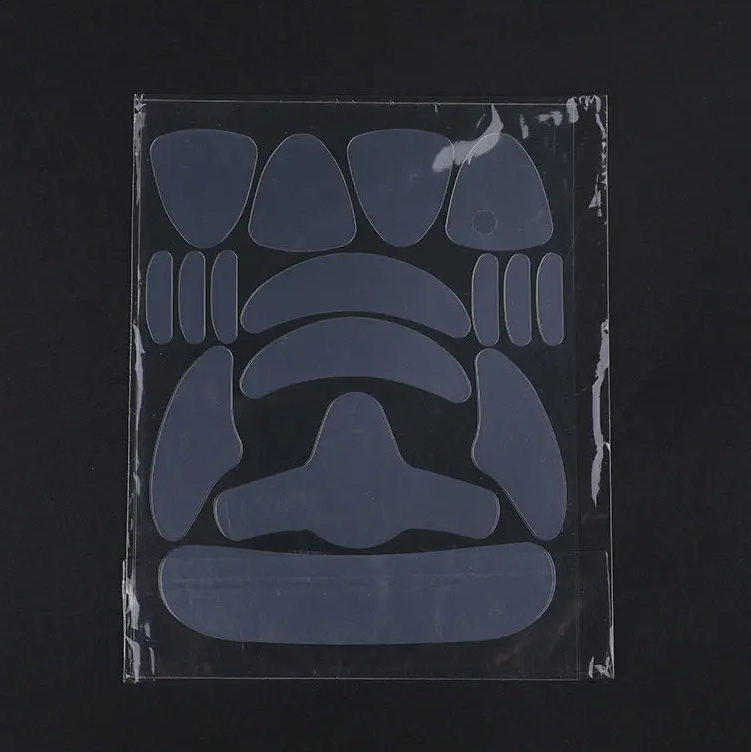
The idea behind these patches is not complex. Place a soft layer on the skin, reduce movement, and support a smoother surface during wear. What makes them interesting is how they are applied to different facial zones with different movement behavior.
Why do forehead, eye, and smile lines form differently?
Facial lines do not appear in the same way across the face. Each area has its own movement rhythm.
The forehead is active during expressions like raising eyebrows or reacting to light. This repeated motion creates horizontal lines over time. The skin in this area moves in long stretches, not small folds.
The eye area behaves differently. It is more delicate and moves frequently during blinking, smiling, and squinting. This leads to smaller, finer lines that spread outward from the corners.
Smile lines form around the mouth. They are shaped by talking, laughing, and everyday expression movement. These lines tend to follow curved patterns that deepen with repetition.
Even though the cause is similar, the pattern is not the same. That difference is important when choosing how to apply surface support tools like patches.
How do anti wrinkle patches interact with different facial zones?
Anti wrinkle patches work by placing a soft barrier on the skin surface. Once applied, they reduce visible folding caused by movement.
On the forehead, the patch tends to limit upward and downward muscle activity. The surface feels more stable during use. This is often where broader, flatter patches are applied.
Around the eyes, placement is usually more delicate. The skin is thinner and more responsive. Patches used here tend to follow the natural curve of the outer eye area, focusing on reducing repeated crinkling motion.
Smile lines require a different approach. The movement here is deeper and more directional. Patches placed near the mouth area often aim to soften repeated folding during expressions rather than fully restricting movement.
The interaction is not about stopping expression. It is more about reducing intensity during the time of use.
What makes forehead application different from other areas?
Forehead skin moves in a relatively structured pattern. It stretches upward and relaxes downward.
Because of this, patches applied here often focus on surface stability. When the skin stays in a more neutral position, expression lines appear less noticeable during wear.
This area also reacts quickly to changes in movement. Even small adjustments in facial expression can shift the surface. A patch helps keep that movement more controlled.
The effect is usually more visible during active expression moments, rather than when the face is fully relaxed.
How does eye area usage feel different?
The eye area is sensitive and highly active. It is one of the expressive zones on the face.
Anti wrinkle patches used here tend to feel lighter in structure. They follow the natural curve of the skin around the outer eye. The goal is not to restrict blinking, but to reduce repeated folding at the corners.
Because the skin is thinner, the sensation during use is often described as more noticeable even when the patch is soft. Movement reduction is subtle but present.
This area also responds quickly to hydration and surface condition. When skin is dry, fine lines may appear more visible. A patch helps maintain a more stable surface environment during wear.
What happens when applied to smile lines?
Smile lines form through repeated folding between the nose and mouth area. This zone moves deeply during expressions.
When a patch is applied, it creates a gentle hold over the surface. The movement becomes slightly reduced in intensity. The skin feels supported rather than fully fixed.
Unlike the forehead or eye area, smile lines involve stronger directional movement. Because of that, patches in this zone often focus on smoothing during expression rather than complete restriction.
The experience is more about reducing depth of fold during motion, not eliminating movement entirely.
How do different facial zones compare in patch behavior?
Each area responds differently due to movement style and skin structure.
| Facial Area | Movement Pattern | Patch Interaction | Visible Effect During Use |
|---|---|---|---|
| Forehead | Vertical expression movement | Surface stabilization | Smoother appearance during expression |
| Eye area | Frequent fine movement | Gentle surface support | Reduced corner creasing |
| Smile lines | Deep directional folding | Controlled movement reduction | Softer expression folds |
These differences explain why placement strategy matters. The same patch behaves differently depending on where it is used.
Can patches be part of a daily skincare routine?
In many cases, they are used alongside existing skincare steps. Not as a replacement, but as an additional surface support method.
Some users apply patches after cleansing and moisturizing. The idea is to maintain a stable surface while the skin is in a calm condition.
Others use them during rest periods, where facial movement is naturally lower. This allows the patch to work without interference from frequent expression.
The flexibility of use is part of why they appear in different skincare routines across different lifestyles.
Does skin condition influence visible results?
Skin condition plays a noticeable role in how patches perform visually.
Dry skin tends to show more texture variation. Fine lines may appear more defined. In such cases, surface support feels more noticeable during use.
Well-hydrated skin often appears smoother naturally. In this condition, patches may contribute more to maintaining that smooth appearance rather than changing it dramatically.
The result is not only about the patch itself. It is also about how the skin behaves underneath it.
What role does movement control play in appearance?
Facial movement is one of the main factors behind visible lines. Even small repetitive actions can shape skin texture over time.
Anti wrinkle patches work by reducing repeated folding in targeted areas. This does not stop expression. It only reduces intensity during the time of application.
When movement is slightly limited, the surface appears more even. This effect is temporary, but it is often the noticeable part of usage.
How do users describe the experience?
The experience is often subtle rather than dramatic.
Some describe a light holding sensation on the skin. Others mention a smoother feel during facial expression. In many cases, the change is more about reduced movement awareness than visible transformation.
The sensation varies across facial zones. The forehead feels more structured, the eye area more delicate, and the smile line region more responsive.
This variation is expected due to differences in skin structure and movement behavior.
What influences the growing interest in targeted patch use?
Interest in targeted skincare tools has increased alongside simplified routines. Products that focus on specific areas tend to fit easily into daily habits.
Anti wrinkle patches align with this trend because they are easy to apply and do not require complex steps. They work in short time frames and can be adapted to different facial zones.
The focus is shifting toward localized care. Instead of treating the entire face in the same way, different areas receive different types of attention.
Forehead, eyes, and smile lines are often the first areas considered in this approach due to their visible expression patterns.
What shapes long-term usage patterns?
Long-term use is often shaped by routine consistency rather than immediate change.
Some users incorporate patches during specific times of day. Others use them occasionally when certain lines feel more noticeable.
Over time, usage becomes less about reaction and more about maintenance habits. The product fits into small moments of daily skincare rather than large routine changes.
The behavior of the skin, facial movement patterns, and personal comfort all influence how often they are used and where they are applied.