English
  中文简体
中文简体 Español
 Deutsch
 русский
 عربى
عربىFace anti wrinkle patches have become a noticeable item in modern skincare routines. They appear simple at first glance. A soft patch placed on the skin. Often used on areas where expression lines form. Around the eyes, forehead, or mouth.
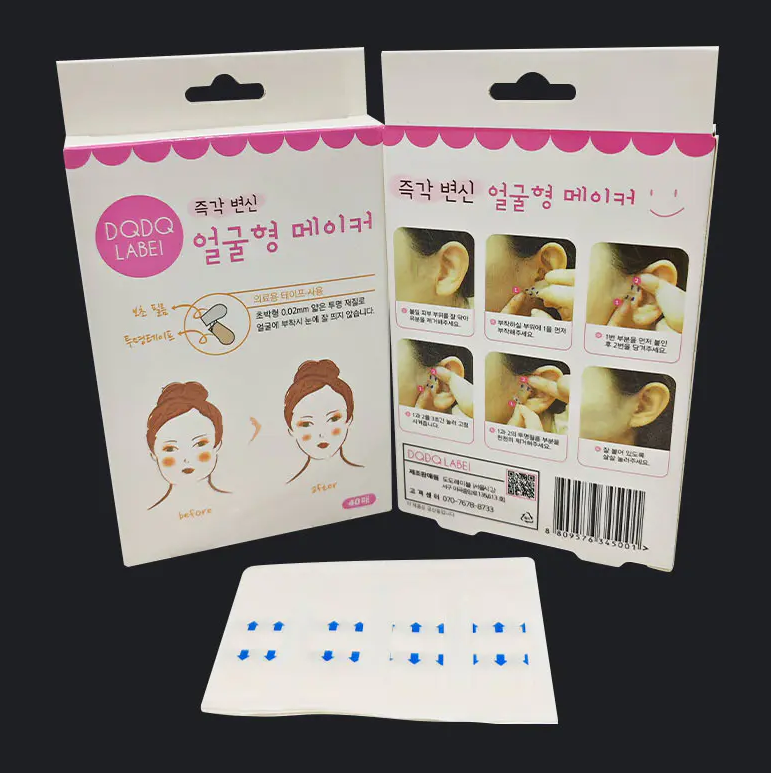
Behind this simple appearance, there is a growing interest in how they interact with skin texture over time. Especially fine lines that appear with repeated facial movement and environmental exposure.
The idea is not new, but the way these patches are used today feels more integrated into daily care habits. Not as a replacement for skincare, but as a surface-level support tool.
Why do fine lines appear in the first place?
Fine lines usually develop gradually. They are not sudden changes. They form through repeated facial movement, natural skin aging, and exposure to external conditions.
Areas with frequent expression movement tend to show earlier signs. Smiling, squinting, and frowning all contribute to small folds forming on the surface.
Skin texture also changes over time. Elasticity becomes less consistent. The surface may not return to its original smooth state as quickly as before.
Environmental exposure adds another layer. Dry air, sunlight, and daily stress on the skin surface can influence how visible these lines become.
Fine lines are often not deep, but they can become more noticeable when the skin is dry or tired.
What is the basic idea behind anti wrinkle patches?
Anti wrinkle patches are designed to sit directly on the skin surface. Their main role is physical support.
They create a gentle hold over targeted areas. This reduces repeated movement for a period of time. The skin underneath stays in a more stable position.
Some patches are made with soft adhesive surfaces. Others rely on flexible materials that stay in place without strong tension.
The concept is simple. Limit movement. Maintain a smoother surface feel. Allow the skin to rest in a fixed position.
How do patches interact with fine lines during use?
When a patch is applied, it creates a light barrier between skin and external movement.
Facial expressions become slightly restricted in the covered area. This does not stop movement completely, but it reduces the intensity of folding.
Over time, this reduced motion can make fine lines appear less pronounced on the surface during use.
The skin feels more "held" in place. This effect is temporary, but noticeable in areas with frequent movement.
Some users describe it as a smoothing layer placed over expression zones.
Does hydration play a role in visible results?
Moisture on the skin surface affects how fine lines appear. Dry skin tends to show more texture variation. Slight folds become more visible under low hydration conditions.
Many anti wrinkle patches interact with this surface condition. Some are designed to help maintain a sealed environment over the skin.
This can reduce external moisture loss from the covered area during wear.
The result is not about changing skin structure. It is more about supporting surface comfort and visual smoothness while the patch is in place.
Hydration level and surface softness often work together in how results are perceived.
Where are face anti wrinkle patches usually applied?
Different facial areas show different movement patterns. This is why patch placement is often targeted.
| Facial Area | Common Movement | Visible Effect Area |
|---|---|---|
| Forehead | Raising eyebrows | Horizontal lines |
| Eye area | Squinting, smiling | Fine crow’s feet lines |
| Mouth area | Talking, smiling | Smile lines |
| Between brows | Frowning | Vertical lines |
Each area has its own motion rhythm. Patches are usually placed where repeated folding is visible.
The goal is not to change expression. It is to reduce surface folding during use.
How long are patches typically used during a session?
Usage time varies depending on routine preference. Some people use them during rest periods. Others include them in nighttime routines.
During application, the patch remains in place while facial movement is minimal. This is often when the skin feels more stable under the surface.
Removal is usually followed by a short period where the skin feels smoother. This effect is linked to reduced movement and surface contact during wear.
The sensation is temporary, but it contributes to repeated use habits.
Do different materials change the experience?
Material choice influences comfort and surface feel.
Some patches feel softer and more flexible. They move slightly with the skin. Others feel more structured and fixed.
A softer surface tends to blend with natural facial movement. A firmer surface tends to reduce movement more noticeably.
Adhesion style also matters. Light adhesion supports easier removal. Stronger adhesion maintains position more firmly during use.
These differences affect how the patch fits into daily routines.
Can anti wrinkle patches be part of a skincare routine?
In many cases, they are used alongside other skincare steps.
They are not usually the only element in a routine. Instead, they sit between cleansing, moisturizing, and rest periods.
Some users apply patches after basic skincare steps. The idea is to keep the skin surface calm while other products absorb naturally.
Others use them in specific moments when expression lines feel more visible.
The role is flexible. It adapts to routine rather than replacing it.
What influences the visible effect on fine lines?
Several factors shape how the patch appears to work on the skin surface.
Facial movement is one. Less movement during wear often leads to smoother appearance.
Skin condition is another. Dry or tired skin may show more noticeable change compared to well-hydrated skin.
Duration also plays a role. Short use may feel different from longer wear sessions.
Even posture and relaxation level can influence how facial muscles behave during use.
All these elements combine into the final visible result.
How do users describe the feeling during use?
Many descriptions focus on surface sensation rather than dramatic change.
Some mention a slight tightening feel. Others describe a smooth layer resting on the skin.
The experience is often subtle. It does not feel like a strong transformation. It feels more like reduced movement in a specific area.
This subtlety is part of why usage tends to be repeated over time.
The patch becomes a small pause in facial motion rather than a complete change.
What makes this product category continue to evolve?
Interest in surface-level skincare tools continues to grow. Not only for visible results, but also for routine simplicity.
Face anti wrinkle patches fit into this trend because they are easy to apply and require little adjustment during use.
They work within existing skincare habits rather than replacing them.
As routines become more focused on comfort and minimal steps, this type of product keeps gaining attention in everyday use discussions.
The role remains centered on surface support, movement control, and temporary smoothing behavior during wear.