English
  中文简体
中文简体 Español
 Deutsch
 русский
 عربى
عربىSkincare habits have changed in quiet but noticeable ways. People no longer rely on a single cream or a simple routine. Instead, they build layered habits that fit into daily life. Some steps are quick. Others take more time. Some are used in the morning. Others appear at night, often when the day slows down.
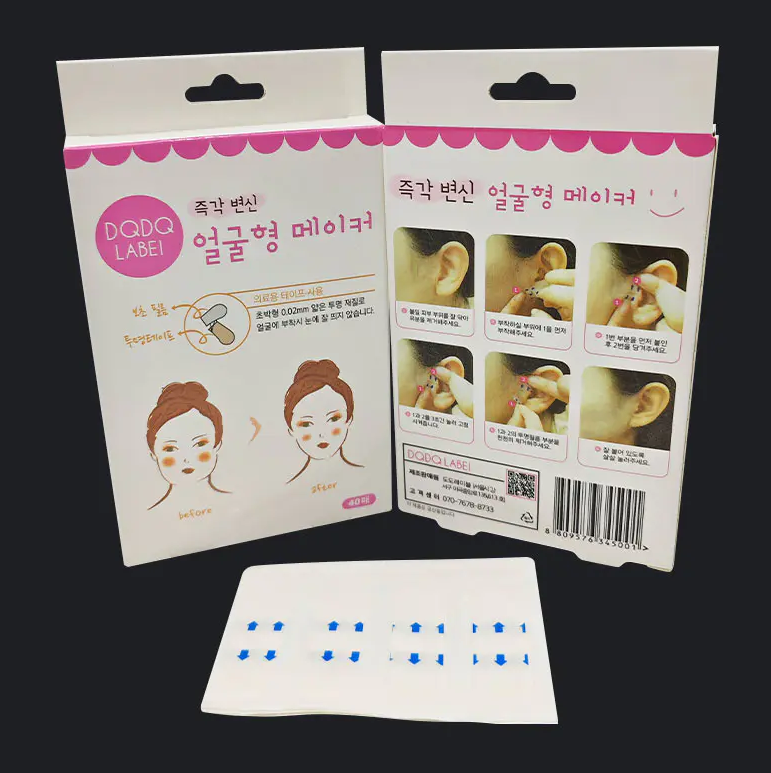
Among these small shifts, silicone patches have found a place. They are not loud in design. They do not promise instant change. Yet they continue to appear in more routines. Their role is subtle. They sit on the skin, often while a person rests, reads, or sleeps.
This quiet presence reflects a broader trend. Skincare is becoming more about steady habits rather than quick fixes. Silicone patches fit into this approach in a simple and practical way.
Why Are Silicone Patches Becoming More Visible in Skincare?
A few years ago, many routines focused on liquid or cream-based products. These were easy to apply and widely available. Over time, people began to look for other formats that could support their routine without adding complexity.
Silicone patches entered this space. They offered a different experience. Instead of being absorbed into the skin, they stayed on the surface. This created a layer that interacted with the skin in a more physical way.
Another reason for their growing presence is convenience. They can be applied and left in place. There is no need for repeated application during that period. This suits people who prefer low-maintenance steps.
They also fit into a growing interest in overnight care. Many routines now include steps that work while the user rests. Silicone patches naturally align with this pattern.
What Are Anti Wrinkle Silicone Patches Designed to Do?
These patches are placed on areas where lines tend to appear. The goal is not to change the skin structure. Instead, they create a controlled surface environment.
When applied, the patch forms a light seal over the skin. This can help reduce movement in that area for a period of time. It may also help the skin maintain moisture within that space.
The effect is temporary. The skin may appear smoother after use, especially when the patch has been worn for several hours. Over time, repeated use becomes part of a broader care routine.
The patches do not replace other skincare steps. They work alongside them, adding another layer of care.
How Do Silicone Patches Fit Into Daily Skincare Routines?
Modern routines are often flexible. Some people follow a detailed process. Others prefer a simpler approach. Silicone patches can be added without changing the entire routine.
They are usually applied after basic skincare steps. The skin is cleaned. A light product may be used. Once the surface is ready, the patch is placed on the target area.
Because they stay in place, they do not interfere with daily movement when used at night. During the day, they may be used in short periods, depending on personal preference.
Their role is supportive. They do not demand attention after application. This makes them easy to include in both simple and more detailed routines.
Why Is Skin Movement an Important Consideration?
Our faces are always in motion throughout daily life. Making facial expressions, talking, and even small habitual gestures all cause repeated movement across different facial areas.
Over time, these continuous motions contribute to the formation of fine lines and wrinkles. Facial movement is completely natural and cannot be eliminated, but there are simple ways to ease its long-term impact while the body is at rest.
Silicone skin patches work by forming a soft protective layer on the skin's surface. Once applied, they gently restrict unnecessary local skin movement for a period of time. This does not hinder normal facial expressions during the day; it simply lets targeted skin areas stay relaxed and still.
This method works perfectly with nighttime skincare routines. When people sleep and their bodies relax, facial activity naturally decreases, and the patch further enhances this resting state for the skin.
How Does Moisture Play a Role in Skin Appearance?
Moisture is often linked to how smooth or soft the skin appears. When the surface holds moisture, it can look more even.
Silicone patches create a light covering. This can help the skin retain moisture in that specific area. It is not about adding new ingredients. It is about helping the skin hold what it already has.
This effect is one reason why the skin may look smoother after use. The appearance can change in a short period, even though the deeper structure remains the same.
In a routine, this step works alongside other products that support hydration. The patch helps maintain the condition created by those products.
What Makes Silicone Material Suitable for Skin Contact?
Silicone is known for its flexibility. It can adapt to the shape of the skin without feeling rigid. This makes it suitable for areas with curves or movement.
It also has a smooth surface. This allows it to sit comfortably on the skin without causing friction. When used properly, it creates a gentle seal.
Another reason for its use is reusability in some designs. This aligns with a growing interest in reducing waste within personal care routines.
The material does not need to be complex to be effective in this role. Its physical properties are enough to support the intended use.
How Are Different Areas of the Face Treated?
Not all parts of the face behave the same way. Some areas move more often. Others remain relatively still.
Silicone patches are often shaped to match these differences. For example:
- Forehead areas may use wider shapes to cover a larger surface
- Areas near the eyes may use smaller, curved designs
- Smile lines may require shapes that follow natural contours
This variety allows users to choose patches that suit their needs. It also reflects a broader trend toward more personalized routines.
Instead of a single solution, skincare now offers multiple options that can be combined.
What Does a Typical Routine with Silicone Patches Look Like?
A routine that includes silicone patches does not need to be complex. It often follows a simple structure.
| Step in Routine | Action Taken | Purpose in Routine |
|---|---|---|
| Skin preparation | Clean and dry the skin | Create a clear surface |
| Basic care | Apply light skincare product | Support skin condition |
| Patch application | Place patch on target area | Create controlled environment |
| Rest period | Leave patch in place | Allow time for effect |
| Removal | Gently remove patch | Return to normal routine |
This structure shows how the patch fits into existing habits without replacing them.
Why Are Simple Additions Becoming More Popular?
Most people want skincare habits that don't feel like a chore. Too many complicated steps are hard to stick with long-term.
Small extra items such as silicone patches boost your routine without adding extra hassle.
They also let users stay in full control. You get to pick when and which areas to use them on, making them far simpler to keep using regularly.
For today's skincare buyers, how easy a product is to use counts just as much as its actual effects.
How Do Lifestyle Changes Influence Skincare Choices?
Daily life has become more varied. Work schedules, screen time, and sleep patterns all influence how people care for their skin.
Late nights and long hours can affect how the skin looks and feels. As a result, routines have adapted to fit these patterns.
Silicone patches are often used during rest periods. This aligns with the idea of using downtime for care.
They do not require active attention. This makes them suitable for people with busy or irregular schedules.
What Role Does Consistency Play in Skincare Habits?
Consistency is often more important than intensity. A simple step repeated regularly can have a noticeable effect over time.
Silicone patches fit into this idea. They are not designed for dramatic change after a single use. Their role becomes clearer when used as part of a regular routine.
This approach matches a broader shift in skincare thinking. Instead of searching for quick results, many people focus on steady care.
Small, repeated actions build a routine that feels manageable.
How Are Consumer Preferences Shaping Product Formats?
Consumer interest has moved toward products that are easy to use and easy to understand. Clear function and simple design are often preferred.
Silicone patches reflect this trend. Their purpose is visible. Their use is straightforward.
There is also a growing interest in products that can be reused or have a longer life cycle. Some patch designs respond to this preference.
At the same time, packaging and presentation have become more minimal. This aligns with the idea of reducing unnecessary elements.
Why Do At-Home Skincare Tools Continue to Grow?
Many people now prefer to manage more of their care at home. This does not replace professional services. It complements them.
At-home tools offer convenience. They allow users to build routines that fit their schedule.
Silicone patches fall into this category. They are simple to use and do not require special training.
Their role is not to replace other methods. It is to provide an additional option within a broader routine.
How Does Perception of Skin Care Value Change Over Time?
In the past, value was often linked to visible change in a short period. Today, the idea of value is shifting.
People look for products that fit into their lifestyle. Ease of use, comfort, and consistency all play a role.
Silicone patches may not create dramatic change overnight. Their value comes from how they support daily habits.
They become part of a routine that feels sustainable rather than demanding.
What Are Users Looking for in Modern Skincare Products?
User expectations have become more balanced. There is interest in products that are simple, flexible, and easy to integrate.
Some common preferences include:
- Easy application without complicated steps
- Compatibility with existing routines
- Comfortable feel during use
- Clear purpose without confusion
- Ability to use at convenient times
Silicone patches align with many of these points. Their design supports ease rather than complexity.
How Does the Market Reflect Changing Skincare Behavior?
The skincare market often follows user behavior. As routines become more personalized, product variety increases.
There is more space for items that serve specific roles rather than broad claims. Silicone patches fit into this niche.
They are not positioned as a complete solution. They act as a supporting element.
This reflects a wider movement toward modular skincare. Users select different products to build a routine that suits them.
Why Do Nighttime Routines Continue to Expand?
Nighttime offers a natural pause in daily activity. This makes it an ideal time for extended care steps.
Products that require time to work fit well into this period. Face anti wrinkle patches are often used in this context.
They can remain in place without interfering with daily tasks. This makes them easy to incorporate.
As nighttime routines grow, products that support passive care continue to gain attention.
How Do Silicone Patches Reflect a Shift Toward Gentle Skincare?
There is a growing interest in gentle approaches. Instead of strong or aggressive methods, many people prefer subtle support.
Silicone patches represent this shift. They do not rely on strong ingredients or complex processes.
Their effect comes from how they interact with the skin surface. This makes them feel less intrusive.
This approach aligns with a broader movement toward balance in skincare routines.