English
  中文简体
中文简体 Español
 Deutsch
 русский
 عربى
عربىImportance of Breathability in Essential Oil Patches
Essential Oil Patches are widely used for wellness, relaxation, and localized therapeutic effects. One of the key factors influencing user satisfaction and effectiveness is breathability. Breathable patches allow air circulation between the patch and the skin, reducing moisture buildup and preventing skin irritation. Without adequate breathability, prolonged use can cause discomfort, redness, or allergic reactions, which can compromise the patch’s effectiveness and user adherence. An Essential Oil Patch Factory must carefully select materials and design features to optimize air permeability while maintaining proper adhesion and therapeutic delivery.
Materials Selection for Skin Comfort
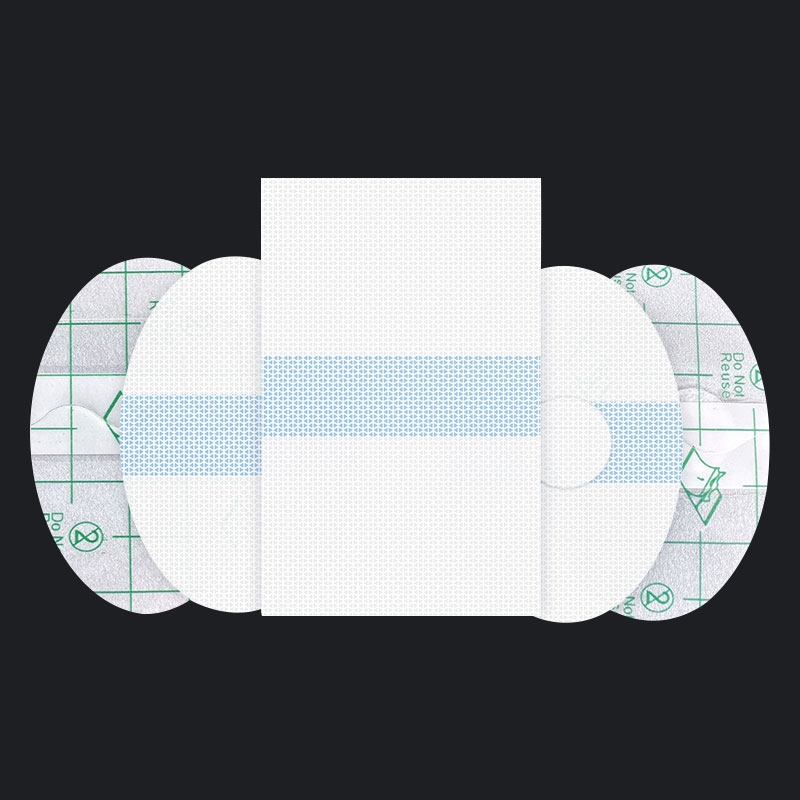
The choice of materials in patch production directly affects both breathability and comfort. Non-woven fabrics, cotton blends, and thin polymer films are commonly used due to their lightweight nature and ability to allow air exchange. Breathable adhesives are also critical, as traditional adhesives may block airflow and trap moisture against the skin. By combining soft backing materials with skin-friendly adhesives, an Essential Oil Patch Factory can ensure that the patch feels comfortable over extended periods while delivering essential oils effectively.
Patch Design and Airflow Management
Beyond material selection, the structural design of the patch contributes to its breathability. Patches with perforations, micro-holes, or mesh-like structures allow better air circulation and reduce sweat accumulation. These design features prevent maceration of the skin, especially when patches are applied to areas prone to perspiration, such as the back, neck, or joints. The balance between coverage area and air permeability is essential; a well-designed patch improves therapeutic contact without compromising comfort.
Impact of Adhesive Properties
Adhesives are crucial for patch adherence but can significantly affect comfort if not properly formulated. Pressure-sensitive, hypoallergenic adhesives are often preferred for essential oil patches because they provide strong adhesion without irritating the skin. Breathable adhesives enable the patch to remain secure while allowing moisture vapor to escape, maintaining skin health. Improper adhesive formulation can cause itching, rash, or discomfort, which diminishes the patch’s usability and overall effectiveness.
User Considerations and Skin Sensitivity
Different users have varying skin sensitivities, and long-term comfort depends on both the patch’s breathability and its interaction with the skin. Essential oil concentration, patch thickness, and wear duration must be considered to prevent adverse reactions. Testing under different conditions, such as high humidity or prolonged activity, ensures that the patches remain comfortable and effective for a wide range of users. Feedback from such tests guides design adjustments and material choices in production.
Quality Control in Production
Ensuring consistent breathability and skin comfort requires rigorous quality control during manufacturing. An Essential Oil Patch Factory typically evaluates material permeability, adhesive performance, and patch flexibility through standardized tests. Continuous monitoring of production parameters ensures that every batch meets the required standards for air circulation, adhesion, and user comfort. Quality assurance is essential for maintaining consumer trust and product reliability.
Breathability and skin comfort are critical factors in the performance and user acceptance of Essential Oil Patches. Material selection, patch design, adhesive formulation, and rigorous quality control all contribute to achieving a comfortable and effective product. By focusing on these aspects, an Essential Oil Patch Factory can deliver patches that maintain therapeutic efficacy while ensuring prolonged wearability, user satisfaction, and overall safety.