English
  中文简体
中文简体 Español
 Deutsch
 русский
 عربى
عربىImportance of Site-Specific Adhesion
Surgical tape is a critical component in medical settings, providing secure fixation of dressings, tubes, and medical devices. However, the suitability of surgical tape can vary depending on the anatomical area of application. Different body parts, such as joints, fingers, and the face, present unique challenges in terms of movement, skin sensitivity, and surface contours. A Surgical Tape Factory must consider these factors during product development to ensure that tapes adhere reliably while maintaining patient comfort and safety.
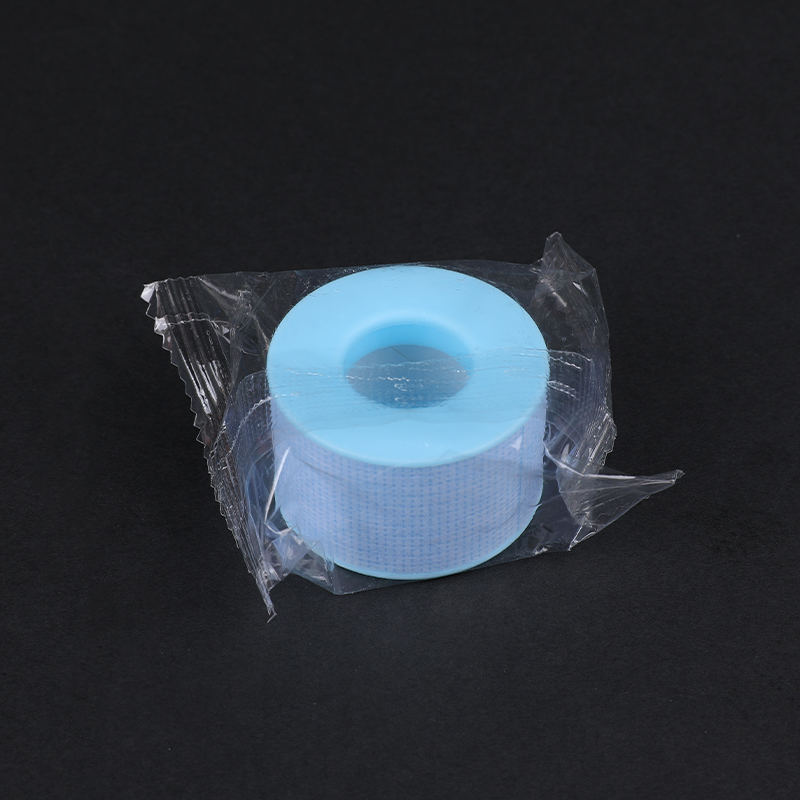
Challenges of Taping Joints
Applying surgical tape over joints, such as elbows, knees, or wrists, requires a balance between strong adhesion and flexibility. Joints are high-movement areas where conventional rigid tapes may restrict mobility or peel off prematurely. Tapes designed for these regions often incorporate elastic or stretchable materials that conform to bending and flexing without losing adhesion. The combination of flexible backing and pressure-sensitive adhesive ensures that dressings remain in place during normal movement, while reducing discomfort or restriction for the patient.
Considerations for Fingers and Toes
Fingers and toes are smaller, irregularly shaped areas that require precision in tape application. These areas are prone to frequent motion, moisture exposure, and skin folding, which can affect tape adhesion. Surgical tapes intended for these locations typically have narrow widths and a soft, conformable backing to wrap easily around digits without bunching. Hypoallergenic adhesives are also important to prevent irritation, as the skin in these areas is delicate and prone to sensitivity. Proper design ensures both secure fixation and patient comfort.
Facial Application Challenges
Applying surgical tape to the face requires additional consideration due to the highly sensitive skin and complex contours. Facial areas, such as around the eyes, nose, and mouth, demand tapes that are gentle, non-irritating, and capable of conforming to curves and angles. Excessive pressure or non-breathable tapes can cause redness, discomfort, or skin damage. A Surgical Tape Factory often develops facial tapes with ultra-soft backing materials and mild adhesives that provide adequate hold without compromising skin integrity or causing allergic reactions.
Material and Adhesive Selection
The adaptability of surgical tape for different body areas depends heavily on the combination of backing materials and adhesives. Breathable fabrics, thin polymer films, or stretchable non-woven backings allow the tape to conform to curves and maintain comfort. Pressure-sensitive, hypoallergenic adhesives ensure that the tape adheres effectively without causing irritation or trauma upon removal. Balancing adhesion strength with skin-friendliness is critical to achieving both performance and patient safety.
Testing and Quality Assurance
To ensure reliability across various body sites, surgical tapes undergo rigorous testing. Simulated use on high-movement areas, moisture exposure tests, and skin sensitivity evaluations help determine their suitability for specific applications. Feedback from clinical trials and healthcare professionals guides iterative improvements in material composition, adhesive formulation, and tape design, ensuring that the final products meet medical standards and patient needs.
The suitability of surgical tape varies significantly depending on the body area of application. Joints require flexibility and stretch, fingers and toes demand precise, narrow, and comfortable designs, and facial applications necessitate gentle, hypoallergenic materials. By carefully selecting materials, adhesives, and designs, a Surgical Tape Factory can produce versatile tapes that meet the diverse needs of medical practice. Properly engineered surgical tapes provide secure adhesion, maintain patient comfort, and perform reliably across different anatomical sites, ensuring both therapeutic efficacy and safety.