English
  中文简体
中文简体 Español
 Deutsch
 русский
 عربى
عربىUnderstanding the Role of Silk Tape in Applications
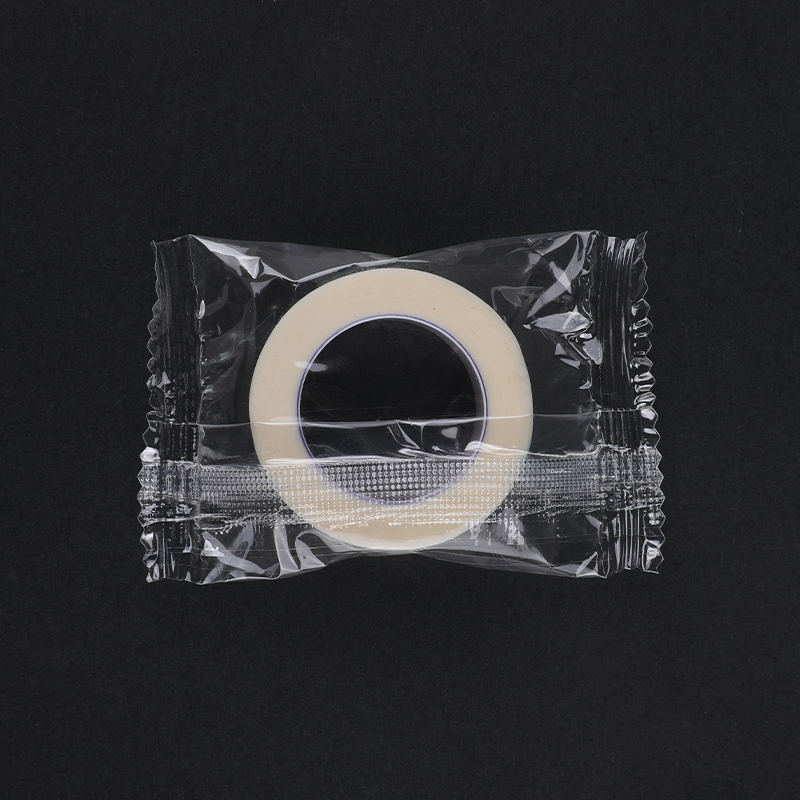
Silk Tape is widely used in packaging, decoration, textiles, and industrial applications due to its aesthetic appeal, flexibility, and adhesive properties. However, one common concern is its long-term durability, particularly regarding edge curling and adhesive failure. These issues can affect both functionality and appearance, making it essential to understand the factors that contribute to tape degradation over time. A Silk Tape Factory must consider material selection, adhesive formulation, and production techniques to ensure reliable performance under extended use.
Causes of Edge Curling
Edge curling in silk tape typically occurs due to environmental factors and mechanical stress. Changes in humidity, temperature fluctuations, and exposure to air can cause the tape’s backing material to expand or contract, causing curled edges. Additionally, repeated handling or bending of the tape during application can create tension along the edges, exacerbating the curling effect. The composition of the backing material plays a critical role; tapes made from flexible and resilient fibers are less prone to curling than those with rigid or brittle backings.
Adhesive Degradation and Loss of Stickiness
Adhesive failure is another key concern in long-term use. Over time, pressure-sensitive adhesives can lose their tackiness due to oxidation, chemical interaction with surfaces, or contamination from dust and oils. Environmental conditions such as high temperatures or excessive moisture can accelerate adhesive degradation, causing the tape to peel or detach from the substrate. A Silk Tape Factory often formulates adhesives with stabilizers and additives to maintain bonding strength under varying conditions, but even the formulations may require careful handling to prevent premature failure.
Impact of Material Thickness and Tape Design
The thickness and structural design of silk tape also influence its long-term stability. Thinner tapes are more flexible but may lack the mechanical strength to resist curling or tearing over time. Thicker tapes provide greater durability but may be less conformable, causing uneven adhesion on curved surfaces. A proper balance between tape thickness, backing material, and adhesive layer is crucial to prevent curling and maintain secure adhesion for prolonged periods.
Environmental and Usage Considerations
Environmental factors such as sunlight exposure, temperature extremes, and humidity significantly affect the performance of silk tape. Ultraviolet (UV) light can weaken fibers and degrade adhesive components, while high humidity can reduce tackiness or promote edge lifting. Additionally, repeated stress from bending, folding, or stretching can exacerbate both curling and adhesive loss. Awareness of these conditions allows users and manufacturers to implement appropriate precautions, such as selecting UV-resistant formulations or storing tape under controlled conditions.
Quality Control and Manufacturing Techniques
A Silk Tape Factory ensures long-term reliability through quality control measures and optimized manufacturing processes. Consistent fiber weaving, uniform adhesive application, and precise drying processes all contribute to the tape’s durability. Testing under simulated aging conditions, including temperature cycling and mechanical stress tests, helps identify potential curling or adhesive issues before the product reaches customers. These proactive measures improve the tape’s performance in real-world applications.
Silk tape may experience edge curling or adhesive failure during long-term use, primarily due to environmental influences, mechanical stress, material properties, and adhesive formulation. By carefully selecting high-quality backing materials, optimizing adhesive chemistry, and employing rigorous quality control, a Silk Tape Factory can produce tapes that resist curling and maintain adhesion over time. Understanding the interaction between design, environment, and usage allows manufacturers and users to improve the tape’s durability while ensuring reliable performance in both decorative and functional applications.