English
  中文简体
中文简体 Español
 Deutsch
 русский
 عربى
عربىChallenges of High Temperature and Humidity
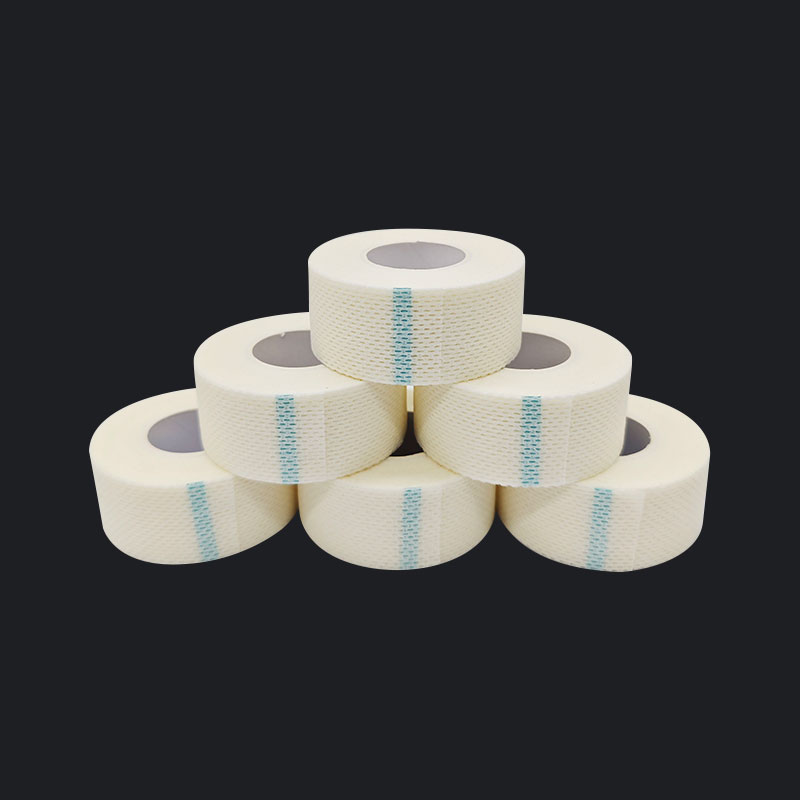
Silk tape is widely appreciated for its comfort, flexibility, and adhesion properties, but its performance can be significantly affected by environmental conditions. High temperature and humidity present unique challenges that may compromise both the adhesive layer and the structural integrity of the woven fibers. For a Silk Tape Factory, understanding how these factors influence the tape is critical to ensure consistent quality and reliability. Exposure to heat can soften adhesives, potentially causing them to lose grip, while moisture may weaken fiber bonds or encourage surface slippage. These combined effects can reduce the effectiveness of the tape in critical applications, making environmental testing and material optimization essential.
Adhesive Stability in Elevated Temperatures
One of the primary concerns in high-temperature environments is the stability of the adhesive. Traditional adhesives may become too soft or tacky when exposed to prolonged heat, causing unintended movement or even complete failure. To address this, specialized silk tapes often incorporate heat-resistant adhesives that maintain their holding strength despite temperature fluctuations. These formulations allow the tape to remain effective in warm climates or during situations where surfaces may heat up due to direct sunlight or equipment operation. By carefully selecting and testing adhesives, manufacturers ensure that the tape provides consistent performance, avoiding common issues like residue formation or premature peeling.
Resistance to Moisture and Humidity
Humidity introduces another set of challenges, particularly for tapes that may be applied to skin, fabric, or other absorbent surfaces. Excess moisture can reduce adhesion, encourage fiber swelling, and create a slippery interface. Silk tapes designed for high-humidity conditions incorporate materials and adhesives that are less prone to absorbing water while retaining flexibility. The woven fiber structure also plays a role by allowing air circulation, helping to mitigate moisture accumulation beneath the tape. By engineering these properties, silk tape can maintain both comfort and functionality even in environments prone to sweat, rain, or steam.
Structural Integrity of Fibers
Beyond adhesion, the woven silk fibers themselves must withstand the effects of heat and moisture. Elevated temperatures may increase fiber flexibility, which is beneficial to a degree, but excessive heat can reduce tensile strength over time. Humid conditions may cause fibers to swell slightly, impacting both the overall thickness and the fit on the application surface. A Silk Tape Factory addresses these issues by selecting fiber blends that resist dimensional changes and maintain structural integrity. Heat-treated or coated fibers are commonly used to reduce deformation and maintain long-term durability, ensuring that the tape performs reliably under repeated stress.
Performance in Real-World Applications
The combination of heat and humidity is particularly relevant in medical, athletic, and industrial applications. In healthcare, tape may be applied to patients who perspire or are exposed to warm environments, requiring both reliable adhesion and skin-friendly properties. Athletes benefit from tapes that remain secure even during intense activity in hot or humid conditions. In industrial settings, surfaces may experience temperature variations or exposure to moisture, and the tape must maintain its function without compromising safety or effectiveness. By designing for these scenarios, silk tape can deliver consistent performance across diverse conditions.
Ensuring Reliable Performance Under Stress
High temperatures and humidity present unique challenges for adhesive tapes, impacting both adhesion and material integrity. A Silk Tape Factory that prioritizes heat- and moisture-resistant materials, specialized adhesives, and structural fiber integrity ensures that its tapes perform reliably in diverse conditions. By addressing these environmental factors through careful design, testing, and material selection, silk tape maintains its flexibility, comfort, and strength, providing consistent results in demanding applications ranging from healthcare to sports and industrial use.