English
  中文简体
中文简体 Español
 Deutsch
 русский
 عربى
عربىThe Impact of Material Selection on Comfort
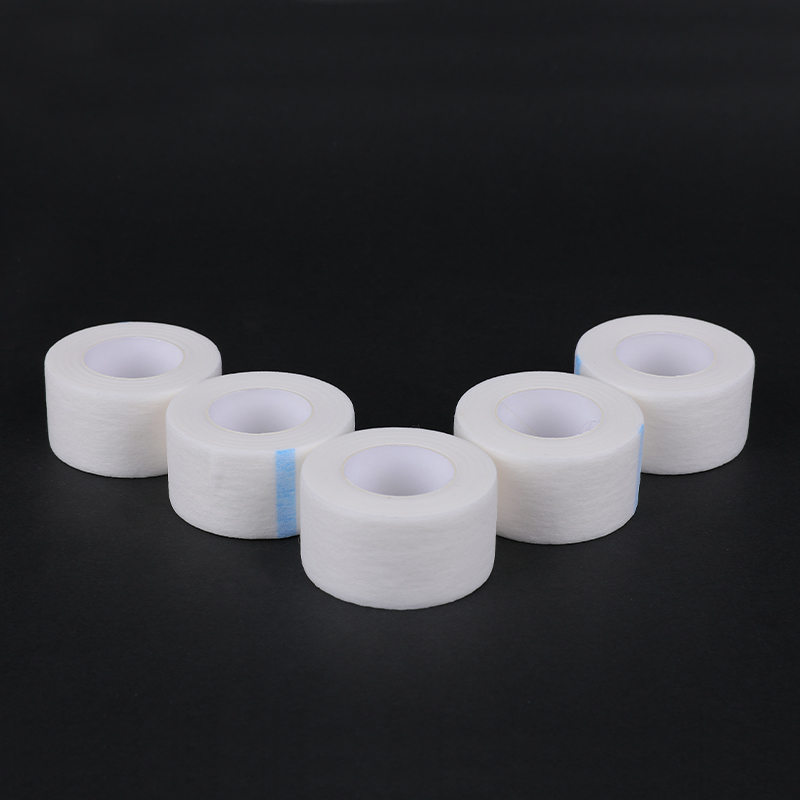
One reason silk tape achieves good breathability lies in the deliberate choice of high-quality fibers. Factories often select silk blends that maintain durability without sacrificing ventilation. This design choice ensures that even when adhesive layers are applied, the material does not lose its airflow capacity. In addition, the lightweight nature of silk means the tape rests gently on the skin, reducing discomfort during extended wear. These qualities make it a good option for medical dressings, securing bandages, or athletic support, as users are less likely to experience the suffocating sensation often caused by synthetic tapes.
Flexibility in Practical Applications
Beyond breathability, flexibility is another defining feature that determines tape usability. A Silk Tape Factory must design products that bend, stretch, and conform to various surfaces without losing adhesion. In medical contexts, this allows the tape to secure dressings on curved areas of the body, such as elbows, knees, or ankles. In athletic applications, flexibility ensures that the tape can move naturally with the body, providing support without hindering motion. Unlike rigid synthetic tapes, silk-based options adapt smoothly to changes in shape, maintaining stability while offering a more natural feel for the wearer.
Manufacturing Considerations for Suitable Properties
Achieving both breathability and flexibility requires careful engineering during production. Weaving density, adhesive formulation, and finishing techniques all play significant roles. A tightly woven tape may provide strength but reduce airflow, while a looser weave enhances ventilation but may compromise durability. Similarly, the choice of adhesive determines whether the tape can flex without peeling or cracking. By striking a balance between these factors, manufacturers ensure that the final product performs consistently in diverse environments, from medical clinics to outdoor sporting events.
Performance Under Extended Use
The real test of any adhesive tape lies in its performance over time. Breathable silk tape allows perspiration to evaporate, keeping the skin beneath dry and healthy during long-term wear. At the same time, its flexibility prevents discomfort caused by repeated stretching or bending. Users often report that silk tape feels less restrictive compared to synthetic alternatives, making it suitable for situations requiring comfort across hours or even days. This extended usability highlights the success of combining breathable and flexible features into a single product.
Versatility Across Different Fields
The combination of breathability and flexibility expands the potential applications of silk tape. In healthcare, it is favored for wound care and surgical support because it decreases irritation and promotes healing. In sports, it provides athletes with joint protection and muscle support without sacrificing mobility. In everyday use, it can be applied for household, creative, or cosmetic purposes where comfort and adaptability are priorities. This versatility demonstrates how these two properties are not just desirable but essential for a wide range of industries.
The Balance of Comfort and Function
Silk tape distinguishes itself from other adhesive solutions by offering both good breathability and flexibility. These qualities are the result of thoughtful design decisions, from fiber selection to manufacturing techniques. A Silk Tape Factory that prioritizes airflow and adaptability ensures that its products meet the demanding needs of medical professionals, athletes, and general consumers alike. By maintaining this balance, silk tape continues to provide not only functional support but also comfort, making it a trusted choice in environments where reliability and wearability are equally important.