English
  中文简体
中文简体 Español
 Deutsch
 русский
 عربى
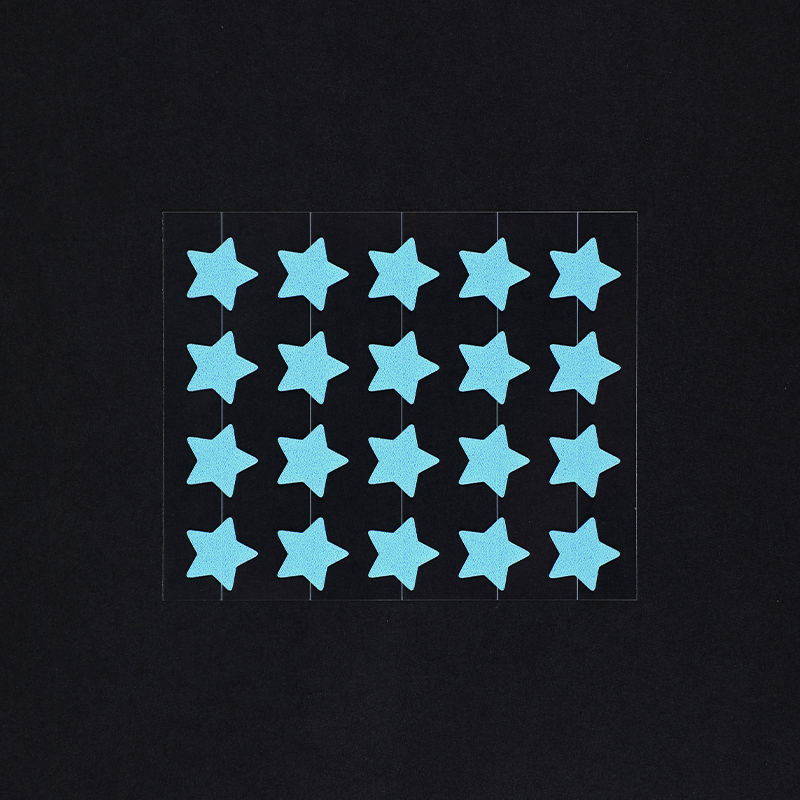
عربىAcne Patch products have become a popular skincare solution for targeting active pimples and blemishes.
They work by absorbing excess fluid, reducing inflammation, and protecting the affected area from bacteria and external irritants.
A common question among users is whether these patches can be applied before makeup and how they might affect the final cosmetic look.
Function of Acne Patches
Absorption and Protection:
- Acne patches create a physical barrier over the blemish, preventing contact with hands or environmental contaminants.
- Hydrocolloid-based patches draw out pus and excess oil, helping the pimple heal faster.
Soothing Effects:
- Some patches contain ingredients such as salicylic acid or tea tree oil to reduce redness and inflammation.
- By controlling swelling, patches can minimize the bump’s visibility over time.
Compatibility with Makeup
Layering Considerations:
- Acne patches are designed to sit on top of the skin, forming a slightly raised surface.
- Applying foundation or concealer over the patch can be challenging because makeup may not adhere evenly to the patch surface.
- Thick or textured formulas are more likely to smear or peel when applied over the patch.
Makeup-Friendly Patches:
- Some modern patches are ultra-thin and semi-transparent, allowing light foundation or powder to be applied with minimal impact on coverage.
- These are often marketed as “invisible” or “cosmetic-friendly” acne patches.
Timing and Application Tips
Before Makeup:
- Apply the acne patch to a clean, dry face before starting makeup.
- For results, let the patch adhere fully for several minutes to ensure it seals the pimple.
- Use thin, lightweight makeup products if applying over the patch, focusing on blending gently around edges.
After Makeup:
- Some users prefer to apply makeup and then strategically place patches on top of the finished foundation.
- This method may require touch-ups or careful layering to avoid disturbing the makeup.
Impact on Makeup Finish
Coverage and Texture:
- Standard acne patches can create a slight bump, which may interfere with smooth foundation application.
- Concealer may settle unevenly around the edges, making the patch more noticeable.
Longevity:
- Makeup applied over patches may wear off faster due to patch movement or moisture absorption.
- Excess oil or sweat can reduce patch adhesion, affecting both pimple protection and cosmetic finish.
Practices for Cosmetic Use
- Choose Transparent or Thin Patches: Modern designs are less visible under makeup and maintain adherence during daily activities.
- Minimal Product Layering: Use light, blendable formulas over the patch to prevent peeling or shifting.
- Focus on Edges: Blend makeup around the patch edges rather than directly on top, preserving patch integrity.
- Patch Duration: Wear the patch for at least a few hours to allow absorption, removing it before long-lasting or heavy makeup events for suitable results.
Advantages of Using Acne Patches with Makeup
- Protects against picking or rubbing during application.
- Reduces redness and size of pimples, making concealer and foundation coverage easier.
- Allows controlled treatment of active blemishes without interrupting cosmetic routines.
Limitations and Considerations
- Not all acne patches are suitable for direct makeup layering; thick patches can interfere with smooth application.
- Repeated removal or adjustment of patches can disrupt the makeup finish.
- Users should test different patch brands and makeup combinations to find the compatible pairing for their skin and cosmetic preferences.
Conclusion
- Acne Patch products can be used before makeup, but careful selection and application techniques are essential.
- Ultra-thin or transparent patches reduce disruption to the cosmetic finish, while thicker patches may affect texture and coverage.
- Timing, product choice, and blending strategies play a crucial role in maintaining both pimple treatment efficacy and makeup appearance.
- By following recommended practices, users can protect active blemishes while achieving a smooth, natural-looking makeup finish.