English
  中文简体
中文简体 Español
 Deutsch
 русский
 عربى
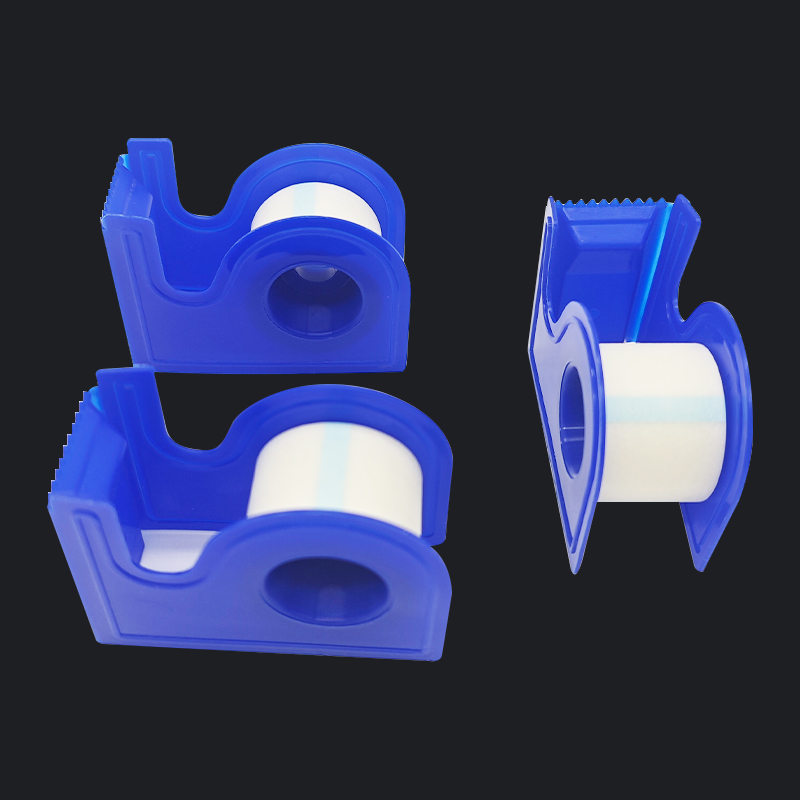
عربىNon-woven tapes are widely used in medical, cosmetic, and industrial applications due to their soft texture, flexibility, and ease of use. One of the important features of non-woven tape is its liquid absorbency, which determines its effectiveness in applications such as wound care, dressing support, and moisture management. Understanding the absorbent properties of these tapes is essential for choosing the right product. High-quality non-woven tapes from a reputable Non-Woven Tape Factory are designed to balance absorbency, comfort, and adhesion to meet diverse needs.
Material Composition and Absorbency
The absorbency of non-woven tape is largely influenced by its material composition. Most tapes are made from synthetic fibers, natural fibers, or a blend of both. The interlaced structure of non-woven fibers creates tiny capillaries that can draw in and retain fluids. The density and thickness of the tape also affect its absorption capacity. A thicker, more porous tape can hold larger amounts of liquid, while thinner tapes may provide only light moisture management. The manufacturing process and fiber treatment further enhance the tape’s ability to absorb fluids efficiently without compromising its structural integrity.
Performance in Wound Care
In medical applications, non-woven tape’s absorbency is particularly valuable. When used as part of a wound dressing system, it helps manage exudate by drawing moisture away from the wound surface. This prevents maceration of surrounding skin, reduces infection risk, and promotes faster healing. The tape’s ability to maintain a dry surface while holding absorbed fluids also improves patient comfort and reduces the frequency of dressing changes. Tapes sourced from a reliable Non-Woven Tape Factory undergo rigorous testing to ensure they meet clinical standards for absorbency and safety.
Moisture Retention and Distribution
High-quality non-woven tapes not only absorb fluids but also distribute them evenly across the tape surface. This uniform distribution prevents pooling and localized saturation, which can compromise adhesion or cause leakage. By retaining moisture within its fibrous structure, the tape maintains its mechanical strength and continues to adhere securely to the skin or other surfaces. Some advanced non-woven tapes incorporate hydrophilic coatings to further enhance liquid uptake while allowing air circulation, creating a balance between absorbency and breathability.
Applications Beyond Medical Use
Non-woven tape is also utilized in cosmetic and industrial contexts where liquid management is important. For example, it can absorb sweat during physical activity, wick away moisture in packaging applications, or provide temporary absorption in manufacturing processes. The tape’s flexibility and conformability, combined with its absorbent properties, make it a versatile tool across various industries. The performance of non-woven tapes in these settings depends on consistent quality and precise manufacturing, emphasizing the value of products from a trusted Non-Woven Tape Factory.
The absorbency of non-woven tape is a key factor in its effectiveness for medical, cosmetic, and industrial applications. Its material composition, fiber structure, and thickness determine how efficiently it can manage liquids while maintaining comfort and adhesion. High-quality tapes from reputable manufacturers provide consistent performance, evenly distributing fluids and retaining them securely. By understanding the liquid management capabilities of non-woven tapes, users can select the suitable product for wound care, moisture control, and other specialized applications, ensuring both functionality and reliability.