English
  中文简体
中文简体 Español
 Deutsch
 русский
 عربى
عربىThe idea of daily skin care has changed in quiet ways. Shelves are still filled with creams and cleansers, yet the way people use them is no longer fixed. Routines are shorter for some, more selective for others. Many are no longer looking for a long list of steps. They want something that fits into real life.
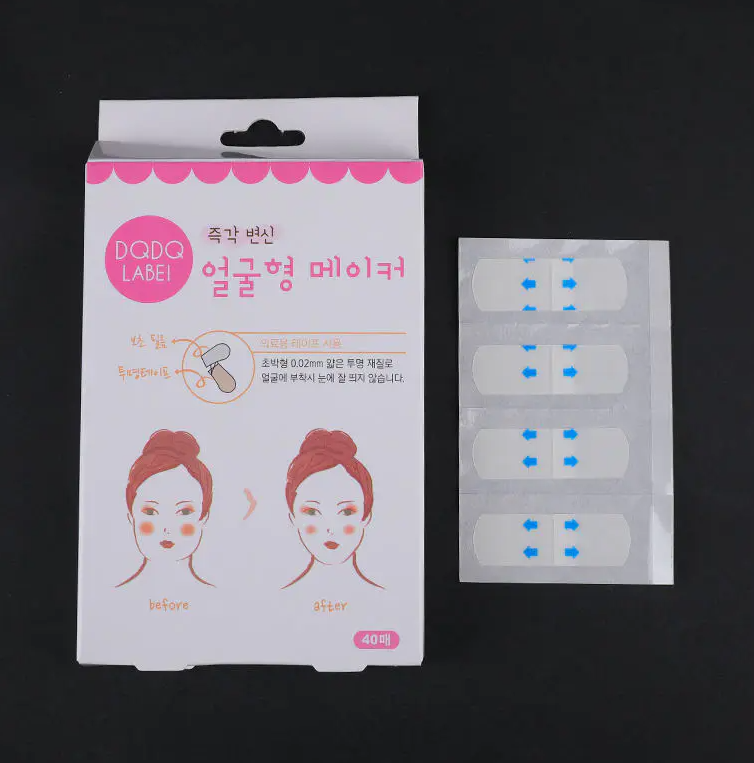
Wrinkle face patches have entered this space without much noise. They are small, simple, and easy to understand at a glance. A patch goes on a certain area of the face. It stays there for a period of time. That is the whole idea. Yet behind this simple format, there is a shift in how people think about daily care.
Instead of covering the entire face with one product, users can focus on areas that draw more attention. This kind of thinking has slowly moved from professional treatments into everyday routines. It does not replace traditional care. It sits alongside it.
What Is Changing in Daily Skin Care Habits?
Daily routines used to follow a pattern. Clean, apply, wait, repeat. The structure was often the same from one person to another. Now the pattern feels more open. People pick what they need and leave out what they do not.
This change is shaped by time and comfort. A long routine can feel difficult to maintain. A shorter one is easier to repeat. When a routine becomes easier, it is more likely to become a habit.
Wrinkle face patches fit into this shift. They do not require a full routine around them. A person can apply one patch without changing everything else. This flexibility makes them easier to accept.
Another change is how people define care. It is no longer only about visible results. The process itself matters. A quiet moment, a small step, a simple action. These details shape the experience.
Why Are Targeted Products Gaining Attention?
The face is not one surface. Different areas move in different ways. Some parts stay still. Others move often. Because of this, people have started to think about care in a more focused way.
Targeted products follow this idea. They do not try to address everything at once. They focus on a smaller area. This can feel more direct and more personal.
Wrinkle face patches are built around this concept. They are placed on specific spots. The user decides where to apply them. This creates a sense of control. It also makes the routine feel more intentional.
There is also a practical side. A small product can be used without preparation. It does not need a mirror for long. It does not require many steps. This makes it easier to use during short breaks in the day.
How Do Wrinkle Face Patches Work in Everyday Use?
A typical use is simple. The patch is placed on clean skin. It stays for a period of time. During this time, the user continues normal activities or rests.
Some people prefer using patches in the evening. Others use them during quiet hours at home. There is no single pattern. This flexibility is part of the appeal.
The feeling of wearing a patch is also part of the experience. It is different from applying a cream. There is a physical presence on the skin. Some users find this reassuring. Others simply see it as a practical step.
Below is a simple comparison of how patches differ from more familiar routines:
| Aspect | Traditional Cream Routine | Face Patch Routine |
|---|---|---|
| Application Area | Full face or large area | Specific zones |
| Time Required | Often longer | Usually shorter |
| Steps | Multiple steps | One main step |
| Flexibility | Structured routine | Flexible use |
| Sensory Experience | Light and spreadable | Fixed and placed |
This does not mean one replaces the other. Many people use both. The difference lies in how each fits into daily life.
What Role Does Design Play in User Experience?
Design is not only about appearance. It affects how a product feels in use. A patch needs to match the natural shape of the face. If it does not fit well, it becomes difficult to wear.
Curved areas require thoughtful shapes. Flat designs may not stay in place. Because of this, many patches are made in forms that follow common facial lines.
Comfort is also important. A patch should not feel heavy or distracting. If it is easy to forget, it becomes easier to keep using. This quiet presence is often preferred.
Another factor is ease of handling. A product that is simple to remove and apply can reduce hesitation. Small details in design often shape long-term use.
How Are Materials Affecting Daily Use?
Materials influence how a patch feels from the moment it touches the skin. A soft surface can create a calm impression. A firmer one may feel more secure. Each type creates a different experience.
Breathability is often considered during development. A patch that feels balanced can be worn more comfortably. This becomes important during longer periods of use.
The interaction between the patch and the skin also matters. The surface should feel stable without causing discomfort. This balance is not always easy to achieve, which is why material choices continue to evolve.
Below is a general overview of how material qualities affect user perception:
| Material Quality | User Perception |
|---|---|
| Soft Texture | Gentle and calming feel |
| Flexible Structure | Adapts to facial movement |
| Light Weight | Less noticeable during wear |
| Stable Contact | Helps maintain position |
These qualities are not always visible at first glance. They become clear during actual use.
What Are Consumers Paying Attention To?
People notice small details. Over time, these details shape preference. A product that fits easily into daily life is more likely to stay in use.
Several factors often come up in user feedback:
Simple Application
A quick step is easier to repeat.
Comfort Over Time
A product that feels natural is more likely to be used again.
Clean Appearance
Packaging and presentation still matter.
Personal Choice
The ability to decide where and when to use the product adds value.
These points may seem basic, yet they influence long-term behavior. A product that meets these needs can become part of a routine without effort.
How Is the Industry Adapting to This Shift?
The beauty industry often responds to small changes in behavior. When routines become shorter, products become simpler. When users look for flexibility, formats begin to change.
Wrinkle face patches are part of this adjustment. They show how a product can be reduced to a simple form without losing its role in daily care.
Manufacturers are exploring ways to improve comfort and usability. Packaging is becoming easier to open. Shapes are becoming more refined. These changes may seem minor, yet they affect how people interact with products.
Production methods are also adapting. Smaller formats require careful handling. Consistency becomes important when dealing with thin materials and delicate structures.
At the same time, the market is becoming more open. New ideas can enter more easily when the product format is simple. This encourages variation and experimentation.
What Does This Mean for Everyday Skin Care?
Daily skin care is becoming less about strict routines and more about personal rhythm. People are building habits that match their own pace. Some prefer a few steps. Others combine different products depending on the day.
Wrinkle face patches fit into this evolving pattern. They do not demand attention. They do not require a full routine. They exist as a small option within a larger system.
This quiet presence is part of their appeal. A simple product can still play a meaningful role when it aligns with real habits. Over time, these small choices shape how people care for their skin.
The shift is not dramatic. It happens through everyday use. One small step added to a routine. One moment of care during a busy day. Gradually, these moments become part of a new way of thinking about skin care.