English
  中文简体
中文简体 Español
 Deutsch
 русский
 عربى
عربىHealthcare products are often judged by the details people do not notice.
A medical product may contain several small components that support everyday use. A tape may help hold a dressing in place. It may support a medical device on the skin. It may also become part of a care routine where comfort and convenience matter.
These applications create different expectations for silicone tape manufacturers.
A product used in healthcare cannot be considered only from the perspective of production. The manufacturer also needs to understand how the tape will be handled, where it will be used, and what type of experience it may create for the user.
This is changing how medical silicone tape is discussed across the healthcare supply chain.
Instead of focusing only on the tape itself, manufacturers are paying greater attention to application needs. The discussion now includes handling, comfort, product design, packaging, storage, and compatibility with the wider medical product.The shift is practical.
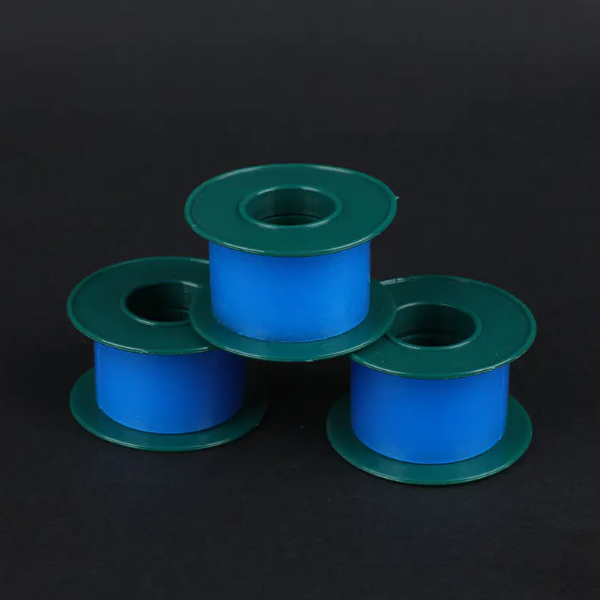
Healthcare products are used by professionals, caregivers, and patients. Each group may interact with the same tape differently.
That creates a need for product choices that are connected to real situations rather than developed around a single general use.
Why Are Healthcare Needs Influencing Silicone Tape Manufacturers ?
Healthcare is not one single application area.
A silicone tape used with a dressing may have a different purpose from one used with a medical device. A product intended for routine care may also be handled differently from one used in a more specialized setting.
This variety creates different expectations.
Healthcare workers may want convenient handling. Patients may care about comfort. Product developers may focus on how the tape fits into a finished medical product. Procurement teams may consider consistency and supply arrangements.
Silicone tape manufacturers therefore need to look beyond the basic idea of adhesive tape.
The product has to fit its intended role.
A manufacturer may need to consider questions such as:
- How will the tape be handled?
- Where will it be used?
- Who will use it?
- How often will it be changed?
- What type of surface will it contact?
- How should it be packaged?
- How can it fit into a larger healthcare product?
These questions can influence product development.
The result is a gradual movement toward application-focused silicone tape.
What Makes Medical Silicone Tape Different From General Tape Applications?
Medical use creates a different set of expectations.
A general-purpose tape may be selected mainly for holding, sealing, or organizing materials. Medical silicone tape can become part of a product that comes into contact with people.
That makes user experience more relevant.
The tape may need to be easy to handle. It may need to work with the intended medical product. Its surface and structure may also influence how it feels during use.
This does not mean every medical silicone tape has the same purpose.
The application remains important.
A manufacturer supplying tape for healthcare products needs to understand the role of the tape within the final product.
| Healthcare Consideration | Why It Matters |
|---|---|
| Skin contact | User comfort may influence product selection |
| Handling | Medical staff may need to apply or remove the tape conveniently |
| Product compatibility | The tape needs to fit the intended healthcare product |
| Packaging | Packaging can influence storage and everyday handling |
| Product design | Tape may need to fit the shape and structure of the finished product |
| Routine use | Repeated applications can create different user expectations |
| Custom requirements | Different healthcare products may need different tape formats |
This application-based approach can help manufacturers avoid treating medical silicone tape as a generic material.
The tape becomes part of a larger healthcare experience.
How Are Silicone Tape Manufacturers Responding to More Diverse Applications?
One noticeable change is greater attention to product variety.
Healthcare products come in many forms. A tape may be supplied in different shapes, formats, or packaging arrangements depending on the intended use.
Customization can therefore become part of the conversation.
A medical product developer may need a tape that fits a particular design. Another customer may want a format that works with a specific packaging process. A healthcare provider may have different handling preferences.
It can respond by adapting their products around these requirements.
This does not necessarily mean creating a completely new product for every customer.
It can involve adjusting the way the tape is presented, cut, packaged, or integrated into a larger product.
The focus is on fit.
A tape that works well in one situation may not be equally convenient in another.
Manufacturers that understand this distinction can communicate more effectively with healthcare product developers.
The conversation moves from "What tape do you sell?" toward "What role will the tape play?"
That is a more useful starting point for medical product development.
Could Comfort Become More Important in Medical Silicone Tape Design?
Comfort is becoming an increasingly visible consideration in healthcare product development.
Many medical products are used directly on or close to the body. Users may need to wear them for a period of time. Repeated application and removal can also influence how people perceive the product.
Silicone tape is therefore often discussed in relation to user comfort.
However, comfort is not simply a material characteristic.
The complete product design matters.
The size and shape of the tape can affect handling. The way it is packaged can affect application. The surface it contacts can also influence the experience.
This creates a broader design question.
How can a healthcare product be easy to use while still serving its intended function?
It can contribute to that process by working with product developers early.
Instead of receiving a finished design and supplying a standard tape, manufacturers can discuss how the tape will be incorporated into the product.
This may lead to adjustments in format, presentation, or application method.
The objective is not to make a universal claim about comfort.
It is to recognize that user experience can be part of product development.
What Role Does Product Design Play in Medical Silicone Tape Applications?
Medical silicone tape is rarely used completely on its own.
It may become part of a dressing, support product, medical device, or other healthcare item.
That means the tape needs to fit the surrounding design.
A product developer may need to consider:
Shape
The tape may need to follow a particular product outline.
Handling
Healthcare workers may need to remove or apply the tape quickly and clearly.
Packaging
The tape may need to be presented in a way that supports clean and organized use.
Storage
The product should fit naturally into the wider storage arrangement.
Application process
The tape should make sense within the way the finished healthcare product is used.
These details may seem small.
In practice, they can influence whether a component feels convenient or awkward.
This is why silicone tape manufacturers are increasingly involved in discussions beyond material supply.
Their role can extend into product development support.
How Does Customization Help Silicone Tape Manufacturers Meet Healthcare Needs?
Healthcare products can have specialized designs.
A standard tape may be suitable for one application but less suitable for another. Customization can provide another route.
The customization may relate to the physical format, packaging, appearance, or integration with a finished product.
For example, a medical product developer may need a tape that fits a particular shape. Another project may require a different presentation for easier handling.
The important point is that customization should have a purpose.
Adding options simply for the sake of variety does not necessarily create value.
A useful customization responds to a real application requirement.
| Development Need | Possible Manufacturer Response |
|---|---|
| Different product shape | Adjust the tape format |
| Easier handling | Review presentation and packaging |
| Product integration | Coordinate the tape with the finished design |
| Different care routines | Consider the intended application process |
| Specialized packaging | Develop a suitable packaging arrangement |
| Distinct product identity | Adapt presentation where appropriate |
This approach can make communication between manufacturers and healthcare companies more productive.
The customer explains the application.
The manufacturer considers how the tape can fit that application.
The finished product becomes the focus.
Why Does Packaging Matter for Medical Silicone Tape?
Packaging is sometimes treated as a secondary concern.
For healthcare products, it can be closely connected to daily use.
A tape may need to be stored, transported, opened, handled, and applied as part of a controlled routine.
The packaging needs to support that process.
Good packaging design can make the product easier to identify and handle. It can also help maintain an organized storage environment.
The packaging should not be viewed separately from the product.
For manufacturers, packaging can become part of the overall customer requirement.
Different customers may have different expectations.
A manufacturer supplying components to a medical product company may need to consider how the tape enters the customer's production or assembly process.
A healthcare product intended for individual use may have another packaging requirement.
This is another reason why application knowledge matters.
The same tape may need to be presented differently depending on its destination.
How Are Silicone Tape Manufacturers Supporting Medical Product Developers?
Product developers often work with multiple components.
A finished healthcare product may include materials from different suppliers. Each component needs to fit into the larger design.
It can support this process by communicating clearly about the product and its intended use.
That can include discussions about:
- Product format.
- Application method.
- Packaging preferences.
- Storage conditions.
- Design changes.
- Production arrangements.
- Compatibility with surrounding components.
Early communication can help identify potential issues before a product reaches later development stages.
This is particularly useful when the tape is not simply an accessory but an important part of the finished product.
The manufacturer's role can therefore move beyond production.
It can include application discussions and practical development support.
That does not mean every manufacturer needs to provide the same service.
The appropriate level of support depends on the product and customer relationship.
Can Silicone Tape Manufacturers Adapt to Different Healthcare Routines?
Healthcare routines are diverse.
A hospital may have a structured process. A home care environment may involve a family member or individual user. A medical product may be designed for professional use or everyday personal care.
The tape needs to fit the intended routine.
A product that is convenient for one user may not be equally convenient for another.
This is where simple design becomes important.
The tape should be understandable.
Its packaging should make sense.
Its format should fit the intended application.
Its role within the finished product should be clear.
These details can influence how healthcare workers and users interact with the product.
Silicone tape manufacturers that understand these differences can develop more application-oriented solutions.
The focus shifts away from producing one general-purpose product toward supporting different healthcare scenarios.
What Should Buyers Consider When Choosing Silicone Tape Manufacturers?
Choosing a manufacturer is about more than looking at a product image.
Healthcare buyers and product developers may need to consider the manufacturer's ability to understand the application.
Several questions can help guide the process.
Does the manufacturer understand medical applications?
A supplier familiar with healthcare products may be better prepared for application-specific discussions.
Can the manufacturer support customization?
Different healthcare products may require different formats or packaging arrangements.
Can the manufacturer communicate clearly?
Good communication can help identify design requirements before production.
Does the manufacturer pay attention to product consistency?
Healthcare product development often depends on predictable component quality.
Can the manufacturer support changing requirements?
A product may change during development. A flexible supplier can be easier to work with when requirements evolve.
Does the manufacturer understand the final use?
Knowing where the tape will be used can help guide more practical product discussions.
These questions shift the selection process toward the relationship between the manufacturer and the application.
That relationship can become important when a healthcare product moves from an initial concept toward regular production.
As healthcare product development continues to place greater attention on user experience, application design, and practical handling, silicone tape manufacturers are adapting their role. Medical silicone tape is no longer discussed only as an adhesive component. It can be considered as part of product design, packaging, handling, and everyday healthcare routines.