English
  中文简体
中文简体 Español
 Deutsch
 русский
 عربى
عربىSilicone scar tape has settled comfortably into a lot of personal care routines these days. People reach for it to support skin recovery and soften the appearance of marks over time. As more people pick it up, one question keeps surfacing: can silicone scar tape actually be reused, and if so, what's the right way to do it?
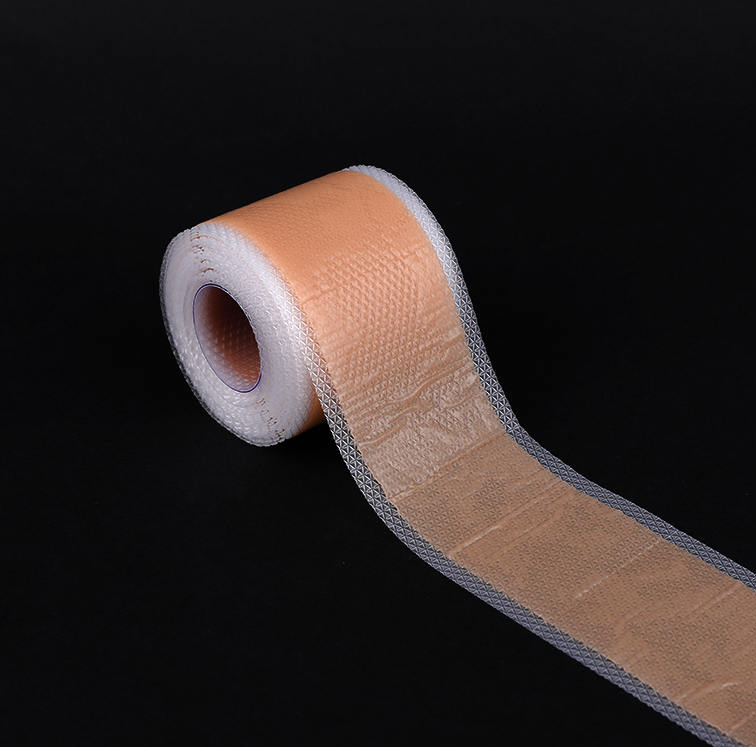
The short answer is yes, but only with genuine care behind it. Reuse comes down to cleanliness, careful handling, and proper storage. Get those right, and you can genuinely extend the tape's life without sacrificing comfort along the way.
Why Do People Reuse Silicone Scar Tape?
Silicone Scar Reducing Tape tends to feel like the practical choice for a lot of people. It cuts down on waste and just makes the daily routine simpler overall. Plenty of users would rather keep one piece going than replace it constantly.
A few reasons tend to drive this:
- Genuine convenience in daily care
- Reduced product waste over time
- A familiar fit on the same patch of skin
- Consistent placement session after session
That said, reuse shouldn't come at the cost of hygiene. Clean handling stays essential no matter how convenient reuse feels.
How Does Silicone Scar Tape Stay Effective After Reuse?
Silicone scar tape is built with a soft, flexible surface designed to maintain gentle contact with skin. Whether it can genuinely be reused comes down to keeping that surface clean and free of debris.
Once the tape picks up dust, oil, or sweat, its ability to stay put starts slipping. Careful cleaning helps bring that condition back.
A few simple habits genuinely support continued use:
- Avoid touching the adhesive side more than necessary
- Keep the surface free from lint and dirt buildup
- Store it properly between uses rather than tossing it aside
What Is the Right Way to Clean Silicone Scar Tape?
Cleaning is genuinely the key step in making reuse work. It doesn't demand complicated tools, just a bit of care.
Basic cleaning steps:
- Gently peel the tape away from the skin
- Rinse it under clean, lukewarm water
- Use a small amount of mild cleanser if it needs it
- Lightly rub the surface with your fingers
- Rinse thoroughly to clear away any residue
Avoid scrubbing hard here. The material needs gentle handling to hold onto its original texture.
How Should You Dry the Tape After Washing?
Drying matters just as much as the cleaning itself. Get it wrong, and the tape's ability to stick suffers for it.
After washing:
- Shake off the excess water
- Lay the tape on a clean surface
- Let it air dry naturally, no rushing it
- Keep it away from dust and direct heat
Skip cloths or paper towels when drying. Fibers tend to stick to the surface and drag down usability afterward.
When Should You Avoid Reusing Silicone Scar Tape?
Reuse is genuinely possible, sure, but certain situations call for retiring a piece rather than pushing it further.
Watch for these signs:
| Condition | What It Means |
|---|---|
| Loss of stickiness | Tape may not stay in place |
| Visible dirt that cannot be cleaned | Hygiene may be affected |
| Changes in texture | Material may be worn |
| Skin discomfort | Possible irritation risk |
If any of these show up, replacing the tape is genuinely the safer call.
How Often Can Silicone Scar Tape Be Reused?
There's no fixed number here — how many times you can reuse a piece really comes down to how it's handled and maintained along the way.
A few general observations worth keeping in mind:
- Careful users tend to stretch out usability quite a bit
- Frequent exposure to sweat tends to shorten its lifespan
- Storage conditions genuinely shape overall performance
Rather than counting uses like a tally, it's better to just judge the tape by its actual condition each time.
How Should Silicone Scar Tape Be Stored Between Uses?
Proper storage genuinely helps maintain both cleanliness and shape. It also heads off accidental contamination before it becomes a problem.
A few simple storage habits worth adopting:
- Keep it in a clean container
- Keep it away from dust
- Avoid folding the adhesive surface onto itself
- Store it somewhere cool and dry
Sticking to a consistent storage routine genuinely helps preserve the tape's quality over time.
Can Reusing Silicone Scar Tape Affect Skin Comfort?
Skin comfort comes down to both the product's condition and how it's actually used. Clean, well-maintained tape tends to feel a lot more comfortable against skin than neglected tape ever will.
That said, reused tape can behave a bit differently as time goes on. It might not adhere quite as smoothly as it did the first time around.
To support comfort along the way:
- Apply it to clean, dry skin only
- Avoid stretching the tape too aggressively
- Check your skin regularly for any reaction
If discomfort shows up at any point, that's usually a good signal it's time to switch to a fresh piece.
What Are Common Mistakes When Reusing Silicone Scar Tape?
A handful of habits can quietly chip away at how well the tape performs. Avoiding these makes the whole experience noticeably better.
Common issues worth watching for:
- Skipping cleaning after use
- Drying with towels or tissues instead of air drying
- Storing it out in the open, exposed to dust
- Continuing to use it even once it's clearly worn out
Small adjustments to routine here genuinely add up to a noticeable difference over time.
How Is the Market Responding to Reusable Scar Care Products?
Interest in reusable personal care items keeps climbing steadily, and silicone scar tape sits right in the middle of that trend. Users are getting a lot more thoughtful about maintenance and product lifespan generally.
Manufacturers and suppliers have noticed too, and they're paying closer attention to:
- User-friendly cleaning methods baked into product design
- Packaging that genuinely supports proper storage
- Clear usage instructions that actually help
This shift really reflects a broader move toward practical, genuinely sustainable care solutions across the personal care space.
Reusing silicone scar tape is entirely doable with a bit of simple care and attention. Keep it clean, store it properly, and stay alert to its condition — and you'll hold onto both hygiene and comfort throughout your daily routine without much extra effort.