English
  中文简体
中文简体 Español
 Deutsch
 русский
 عربى
عربىIntroduction to Breathable Medical Adhesives
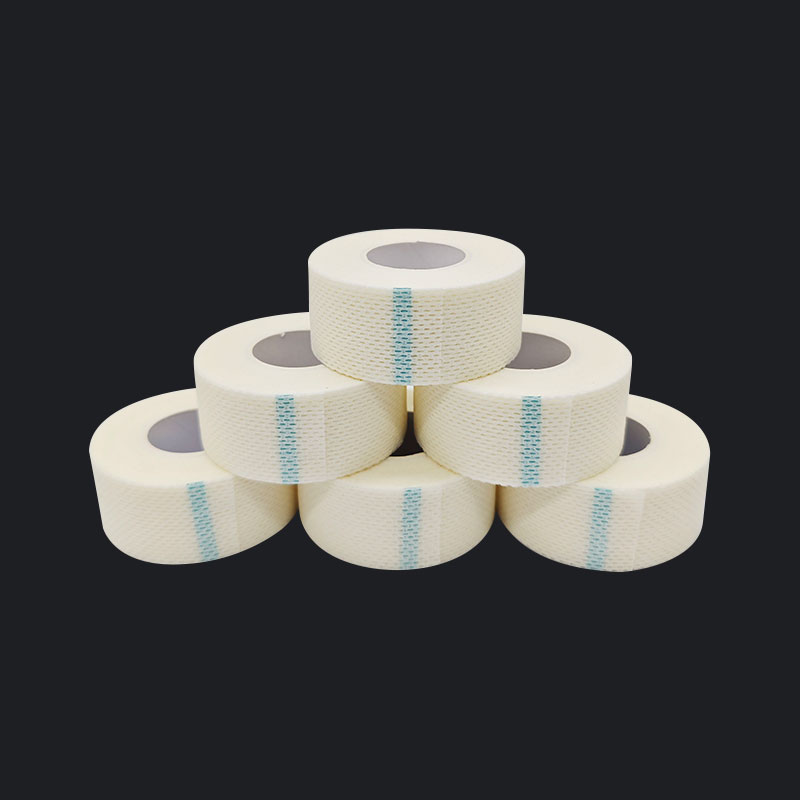
Medical tapes must provide secure adhesion while maintaining skin health, especially during prolonged use. One crucial feature of high-quality silk tape from a Silk Tape Factory is its breathability. Breathable tapes allow air and moisture vapor to pass through the adhesive and backing material, reducing the risk of skin maceration, irritation, or infection. In clinical settings, patients often wear dressings, catheters, or monitoring devices for extended periods, making breathable tapes essential to prevent skin complications while maintaining reliable fixation.
Importance of Airflow in Preventing Skin Maceration
Skin maceration occurs when moisture accumulates under adhesive tape, weakening the skin barrier and increasing the risk of irritation or infection. Breathable silk tapes are designed with a porous or semi-permeable backing that facilitates airflow while still providing adhesion. The pores in the backing allow vapor from sweat or other moisture to escape, helping maintain a dry interface between the skin and tape. This feature is particularly important in high-humidity environments, during patient perspiration, or when the tape is applied over delicate or sensitive skin areas. By allowing continuous airflow, breathable medical tapes prevent prolonged moisture contact, reducing the likelihood of softening, redness, or breakdown of the skin.
Moisture Management and Adhesive Performance
Effective moisture management is a key factor in adhesion stability. If sweat or water accumulates under a non-breathable tape, it can reduce the adhesive’s effectiveness, causing the tape to lift or detach prematurely. Medical silk tapes from a Silk Tape Factory are engineered to maintain adhesion even in moderately moist conditions. The combination of a breathable backing and a pressure-sensitive adhesive ensures the tape remains secure while allowing vapor escape. This dual functionality balances the need for strong fixation with skin protection, providing reliable performance for wound dressings, IV lines, or monitoring electrodes.
Flexibility and Conformability
Breathable silk tapes are typically constructed from flexible and conformable materials that adapt to body contours and joint movements. The flexibility enhances skin contact across uneven or mobile surfaces, ensuring that the adhesive maintains full contact and airflow pathways remain unobstructed. Proper conformability prevents gaps or wrinkles that can trap moisture, further reducing the risk of skin maceration. In addition, the soft, textile-like backing provides comfort and reduces friction against the skin, making it suitable for long-term applications on sensitive areas such as the face, hands, or joints.
Clinical Implications and Practices
In healthcare settings, the combination of breathability and moisture management supports better patient outcomes. Using breathable silk tape helps reduce complications such as skin irritation, infections, or pressure sores, particularly in patients requiring extended dressing changes or continuous medical device application. To improve effectiveness, it is essential to apply the tape to clean, dry skin and to ensure that the tape conforms fully to the area without wrinkles or gaps. Regular monitoring of skin condition under prolonged tape application can further enhance skin protection and prevent adverse effects.
Reliable Moisture Control and Breathable Design
Medical silk tape produced by a Silk Tape Factory is engineered to provide both secure adhesion and breathable performance. Its semi-permeable backing allows airflow, effectively preventing skin maceration and moisture accumulation while maintaining reliable fixation. The combination of breathability, flexibility, and pressure-sensitive adhesive ensures that the tape protects skin integrity, enhances patient comfort, and delivers consistent performance in various clinical applications. By selecting breathable silk tapes and applying them correctly, healthcare providers can reduce skin complications and optimize treatment outcomes.