English
  中文简体
中文简体 Español
 Deutsch
 русский
 عربى
عربىIntroduction to Scar Treatment Options
Scar management has become an essential part of post-surgery and injury care. Among the popular solutions are Silicone Scar Reducing Tape and silicone gel. Both products are designed to reduce the appearance of scars, improve skin texture, and promote healing. However, they differ in application methods, effectiveness for specific scar types, and user convenience. Understanding these differences helps users and healthcare providers select the suitable treatment.
Composition and Form
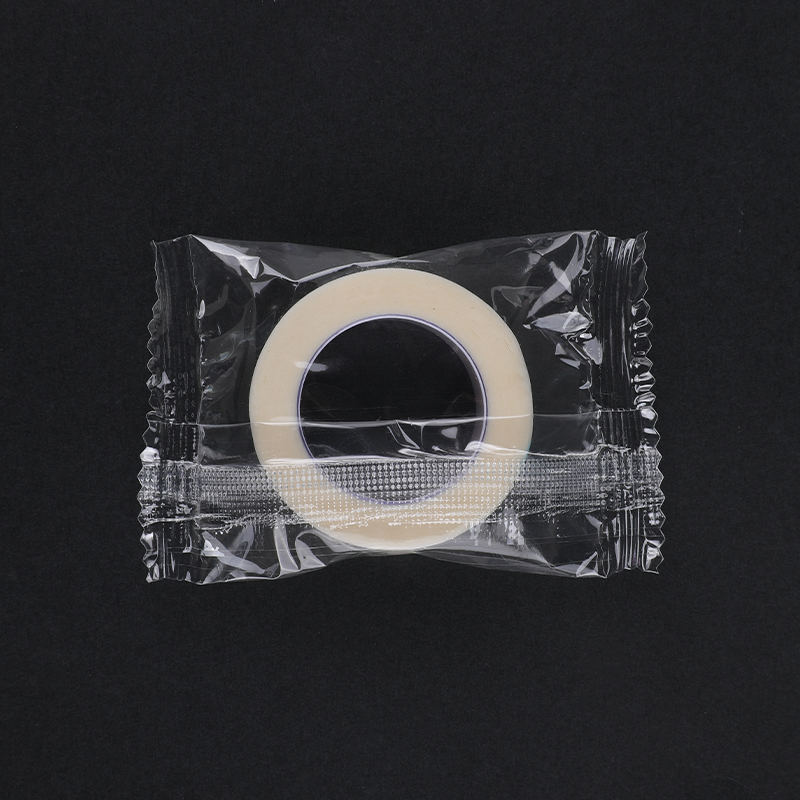
- Silicone Scar Reducing Tape: This tape consists of a flexible silicone sheet with an adhesive backing that allows it to stick directly to the scar. The material is breathable yet forms a protective barrier over the affected area.
- Silicone Gel: Silicone gel is a topical, semi-solid substance applied directly to the scar. It usually comes in tubes or bottles and forms a thin layer on the skin once applied and dried.
- Differences in Contact: While tape maintains consistent pressure and contact, gel provides a softer, more flexible layer that conforms to irregular surfaces but may require multiple applications daily.
Application and Convenience
- Ease of Use: Silicone tape is pre-cut to desired lengths, which allows for easy application on flat or mildly curved surfaces. It is often more convenient for overnight use.
- Frequency of Application: Silicone gel requires repeated applications, often two to three times daily, to maintain an effective layer on the scar.
- Adhesion and Movement: Tape adheres securely, reducing friction and preventing displacement, whereas gel may rub off due to clothing or movement.
Pressure and Hydration Effects
- Occlusive Barrier: Tape provides slight pressure, which can help flatten raised scars over time. The occlusive nature also retains moisture, creating a suitable healing environment.
- Hydration Control: Silicone gel primarily provides hydration and protection, but it does not apply the same consistent pressure as tape.
- Combination Use: In some cases, healthcare providers may recommend using gel initially and then transitioning to tape for long-term maintenance.
Effectiveness for Different Scar Types
- Hypertrophic and Keloid Scars: Both tape and gel can reduce redness and thickness, but tape may be more effective for raised or linear scars due to the consistent pressure it provides.
- Flat or Mild Scars: Silicone gel works well for superficial, flat scars, especially in areas that are hard to tape.
- Post-Surgical Use: Tape is often preferred for linear surgical scars because it remains in place and supports scar flattening over weeks or months.
Skin Sensitivity and Comfort
- Tape Considerations: Some users may experience mild irritation from the adhesive, particularly on sensitive skin. Removing tape carefully helps prevent skin damage.
- Gel Considerations: Silicone gel is generally well-tolerated, making it suitable for delicate or highly mobile areas.
- User Preference: Comfort and lifestyle play a role in choosing between the two options; tape is better for long-term wear, while gel is flexible for areas like joints or the face.
Cost and Maintenance
- Tape Longevity: Silicone tape can often be washed and reused multiple times before replacement, making it cost-effective for prolonged treatment.
- Gel Usage: Gel may be used up faster because of multiple daily applications and the need to apply a new layer each time.
- Overall Consideration: Both products are effective when used correctly, but long-term adherence and convenience often influence user choice.
While both silicone scar-reducing tape and silicone gel are effective for scar management, they differ in form, application, pressure effect, and suitability for different scar types. Tape offers consistent pressure, easy overnight wear, and better adhesion for linear or raised scars, whereas gel provides flexibility, hydration, and convenience for irregular or sensitive areas. Selecting the appropriate option depends on scar type, location, user lifestyle, and treatment goals. Proper use of either product, in consultation with a healthcare provider, can significantly improve scar appearance and promote healthy skin recovery.