English
  中文简体
中文简体 Español
 Deutsch
 русский
 عربى
عربىSilicone breast patches are widely used in medical and cosmetic applications, including post-surgical care, breast reconstruction, and nipple protection. They are valued for their soft texture, conformability, and protective qualities. However, many users are concerned about whether prolonged use of silicone breast patches can cause skin irritation or allergic reactions. Understanding the material’s breathability and safety is essential for selecting high-quality products from a reputable Silicone Breast Patch Factory and ensuring both comfort and health.
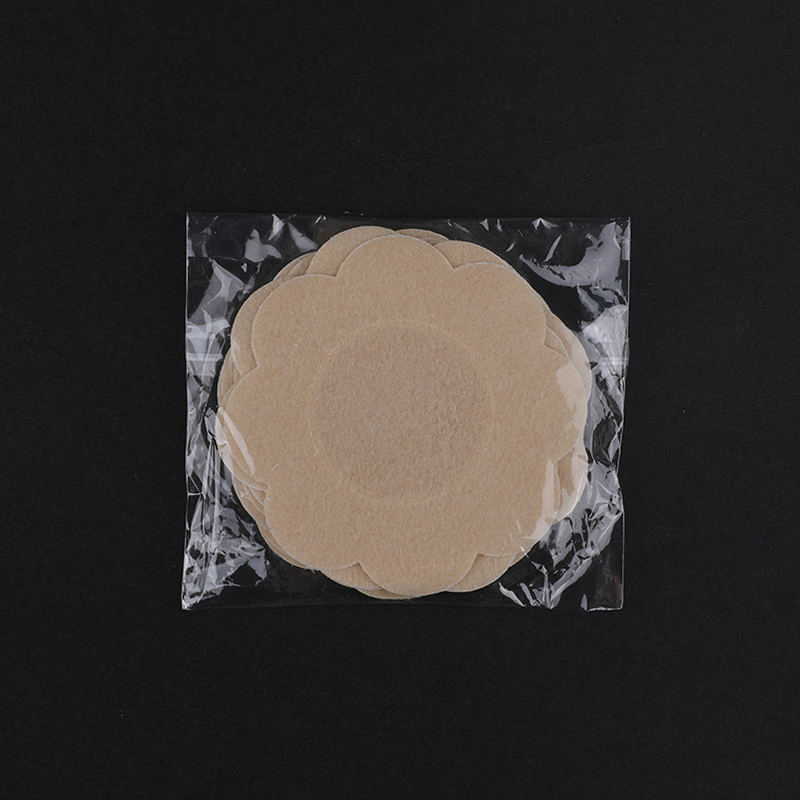
Material Properties and Breathability
The breathability of a silicone breast patch plays a critical role in its safety and comfort. High-quality silicone is inherently non-porous, but modern patches often feature micro-perforations or thin designs to enhance air circulation. These features allow the skin to “breathe” by reducing trapped moisture and sweat between the patch and the skin. Proper airflow helps maintain a suitable microclimate, preventing maceration or excessive moisture accumulation that could otherwise cause discomfort or skin issues. Breathable patches are especially important for long-term use or during warm weather, as they reduce the risk of irritation caused by trapped sweat or friction.
Skin Compatibility and Allergic Potential
Silicone is generally hypoallergenic, which means it has a very low likelihood of causing allergic reactions. Most patches are made from medical-grade silicone that has been rigorously tested for biocompatibility and skin safety. Despite this, individual reactions can vary depending on skin sensitivity, underlying conditions, or prolonged exposure. High-quality products from a trusted Silicone Breast Patch Factory are designed to reduce chemical additives and impurities that could trigger irritation. Using these patches as recommended, with periodic removal to clean the skin, further reduces the likelihood of allergic reactions.
Factors Affecting Comfort and Irritation
Even with breathable, hypoallergenic silicone, factors such as fit, adhesion strength, and hygiene can influence comfort. Patches that are too tight or poorly aligned may create friction points, causing redness or minor irritation. Excessively strong adhesive layers, while providing secure placement, can also stress delicate skin. Conversely, properly sized and carefully applied patches distribute pressure evenly, reducing the risk of irritation. Regular cleaning of both the skin and the patch helps prevent the accumulation of sweat, oils, and bacteria, which could otherwise exacerbate sensitivity or cause minor skin reactions.
Recommendations for Safe Use
To ensure comfort and reduce the risk of skin issues, users should select patches from reputable manufacturers, follow application guidelines, and monitor skin condition regularly. It is advisable to remove the patch periodically to allow the skin to breathe, especially during extended wear. Individuals with a history of sensitive skin, eczema, or allergies should consult healthcare providers before extended use. By adhering to proper hygiene practices and using breathable designs, users can safely enjoy the benefits of silicone breast patches without irritation or allergic reactions.
Silicone breast patches offer a balance of protection, comfort, and flexibility. Their breathability, enhanced by micro-perforations or a thin design, allows proper air circulation to prevent moisture accumulation. Medical-grade silicone is hypoallergenic and generally safe for prolonged skin contact. When sourced from a reputable Silicone Breast Patch Factory and used correctly, these patches rarely cause irritation or allergic reactions. With proper fit, hygiene, and occasional breaks, silicone breast patches provide a safe and effective solution for post-surgical care, cosmetic purposes, and daily skin protection.